
What Every Baseball Player
Should Know About Shoulder Pain
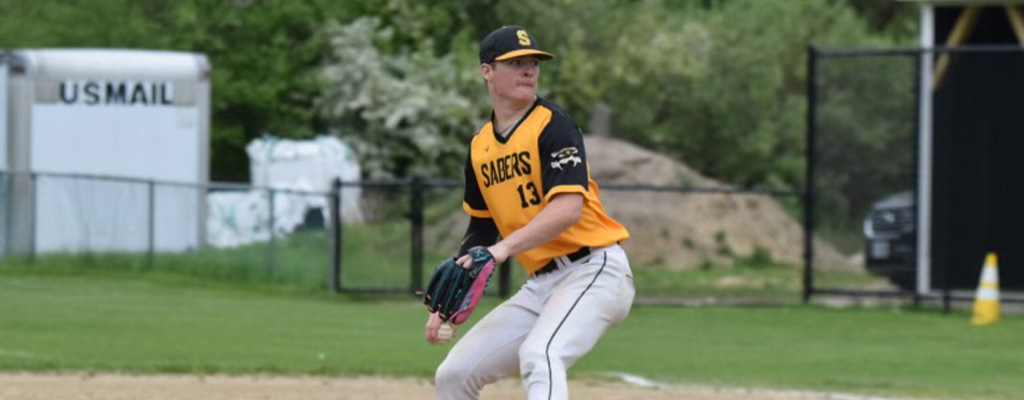
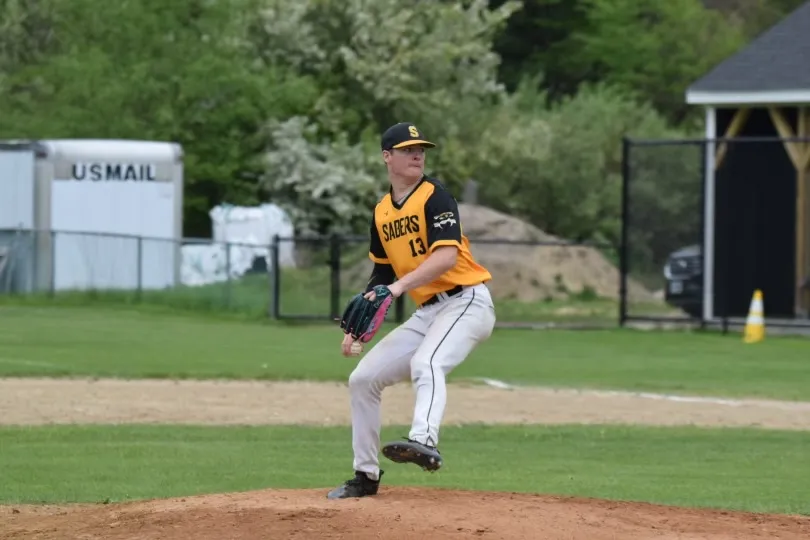
When you’re a throwing athlete, a painful shoulder can change your whole game. Unfortunately, baseball players are more susceptible to shoulder injuries that can put them on the bench. Every pitch, throw, or long toss places a great deal of stress on the shoulder structure, so it’s important to address pain and discomfort before it becomes a problem.
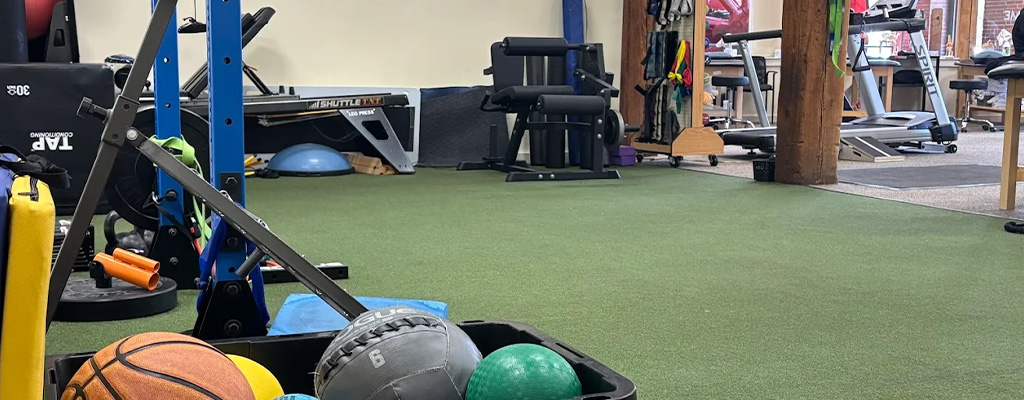
At Complete Game Physical Therapy, we regularly work with baseball players to address pain and injury in their shoulders. Let’s take a look at some of the more common questions we get from throwing athletes.
Your Questions Answered: Baseball And Shoulder Pain
Why does my shoulder hurt when I throw?
Throwing requires your shoulder to move fast, rotate hard, and decelerate safely. Pain typically develops when the soft tissue in your shoulder can’t handle that stress. Some of the areas most likely to be affected include:
- The rotator cuff, a group of small muscles that keep the shoulder joint centered.
- The labrum, a ring of cartilage that helps stabilize the shoulder.
- The ball of the shoulder joint, which can lead to shoulder instability
In some cases, mobility restrictions in the upper back or hips can put undue strain on the shoulder, leading to discomfort.
What exactly is the rotator cuff, and why is it important?
The rotator cuff is a group of four small muscles that surround your shoulder joint. Most throwing athletes with shoulder pain will need to work on their rotator cuff, as these muscles keep the ball of the shoulder centered in the socket while the arm moves at high speed.
Remember, throwing puts a lot of stress on the shoulder. The rotator cuff controls that stress by stabilizing the joint and guiding movement during each phase of a throw. A weak or poorly functioning rotator cuff can allow the shoulder joint to shift too much, leading to irritation, loss of velocity, and pain over time.
Does shoulder blade strength matter?
Yes, it does. Your shoulder blade gives your arm a stable base, and a weak or poorly timed shoulder blade can make the rotator cuff work harder during throwing. Improving shoulder blade control can reduce stress on the front of the shoulder and support stronger throwing mechanics.
How does the lower body affect shoulder pain?
It often surprises our patients to learn that sometimes, the reason for their shoulder pain isn’t in their shoulder at all! Throwing is a whole-body activity, with your legs, hips, trunk, shoulder blades, and arms creating one throwing chain. Weakness or timing issues in the lower body can push more stress into the shoulder, leading to pain.
One of the ways we address shoulder pain in throwing athletes is by ensuring that the whole body shares the workload.
Should I keep throwing through shoulder pain?
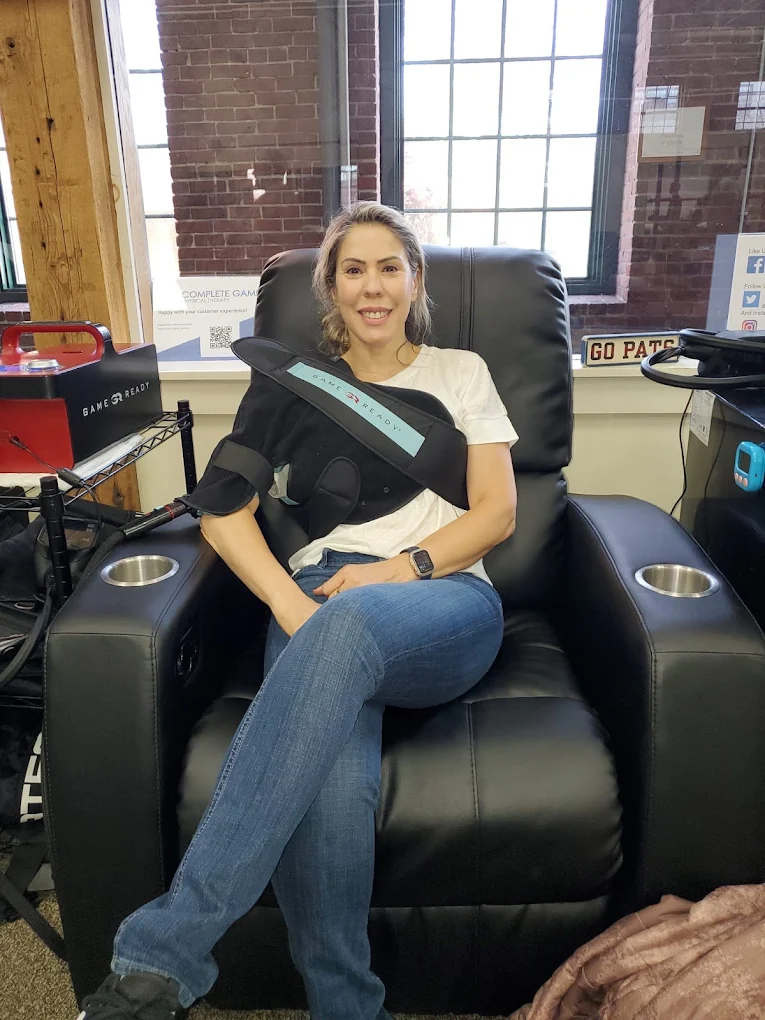
It’s generally not a good idea to ignore pain that changes throwing mechanics, velocity, or control. Instead, stop any high-effort throwing and monitor your symptoms for 12-24 hours, using ice to control pain if needed. If your symptoms persist, schedule an assessment with the team at Complete Game Physical Therapy.
How can physical therapy help shoulder pain?
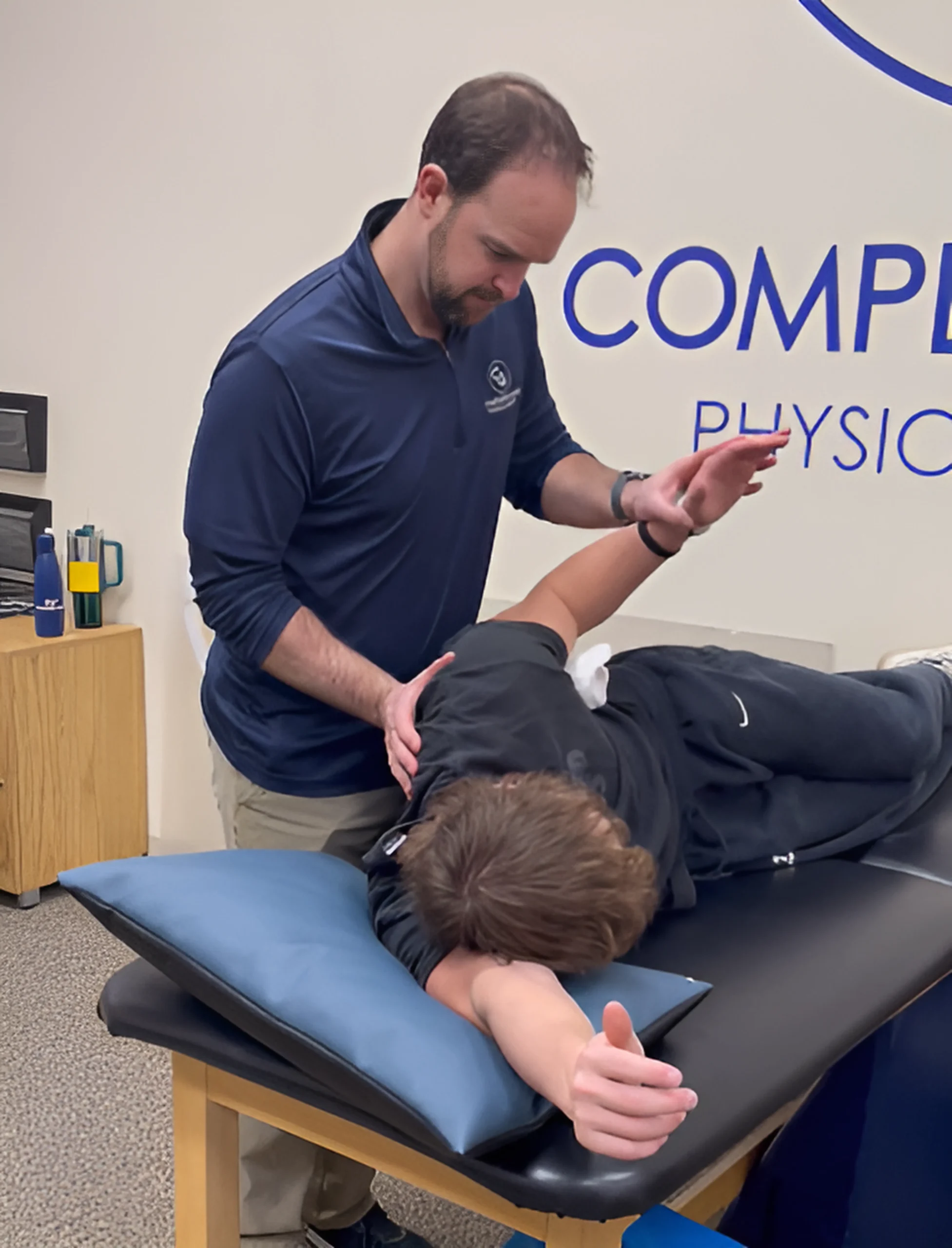
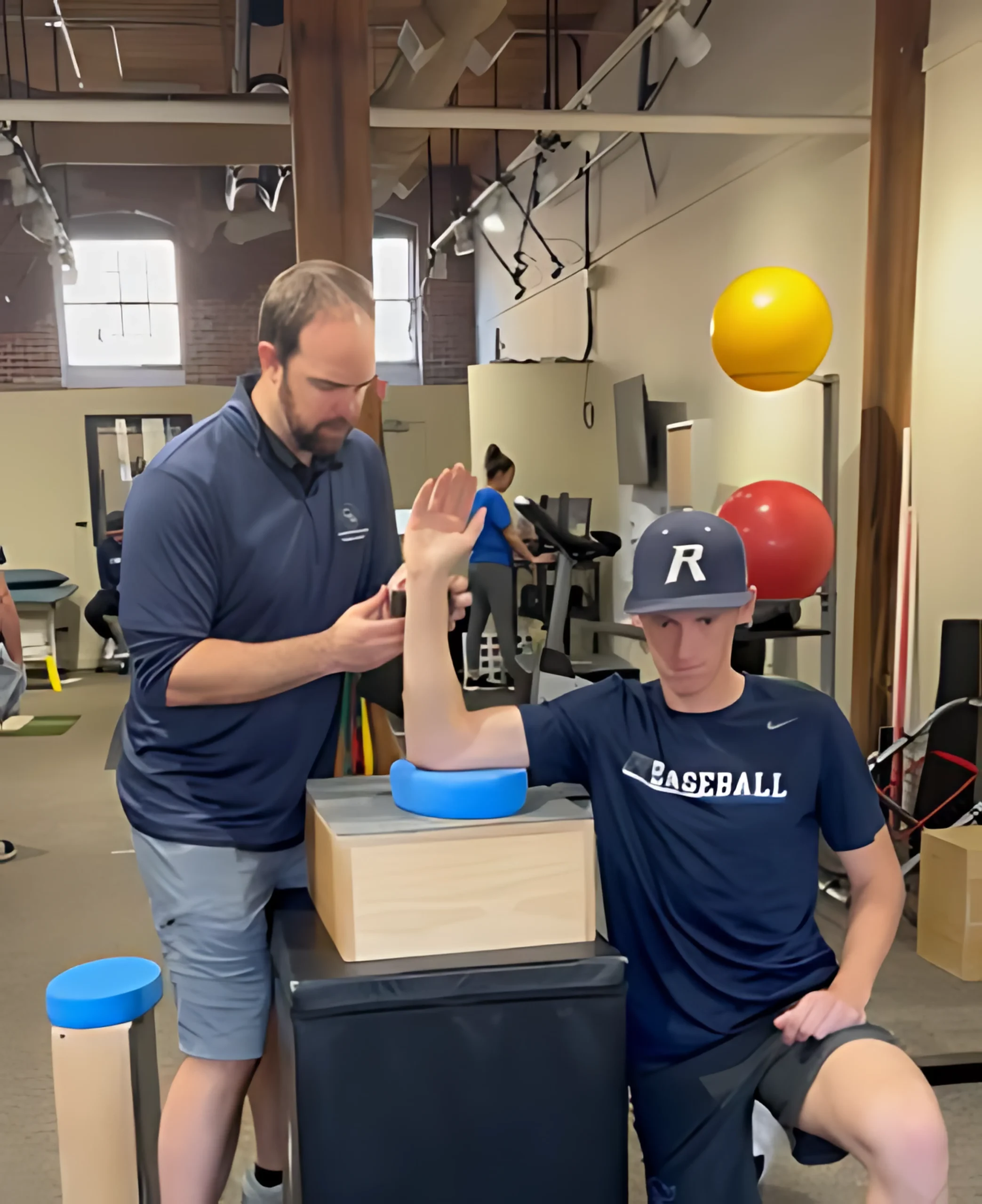
We always start with a full assessment to help us better understand your needs. We’ll evaluate your shoulder motion, rotator cuff strength, shoulder blade control, posture, trunk rotation, hip mobility, and throwing workload.
From there, we’ll create a personalized care plan that blends several different treatment techniques, including:
- Hands-on therapy to improve joint and muscle mobility
- Rotator cuff strengthening
- Shoulder blade control exercises
- Core and hip strengthening
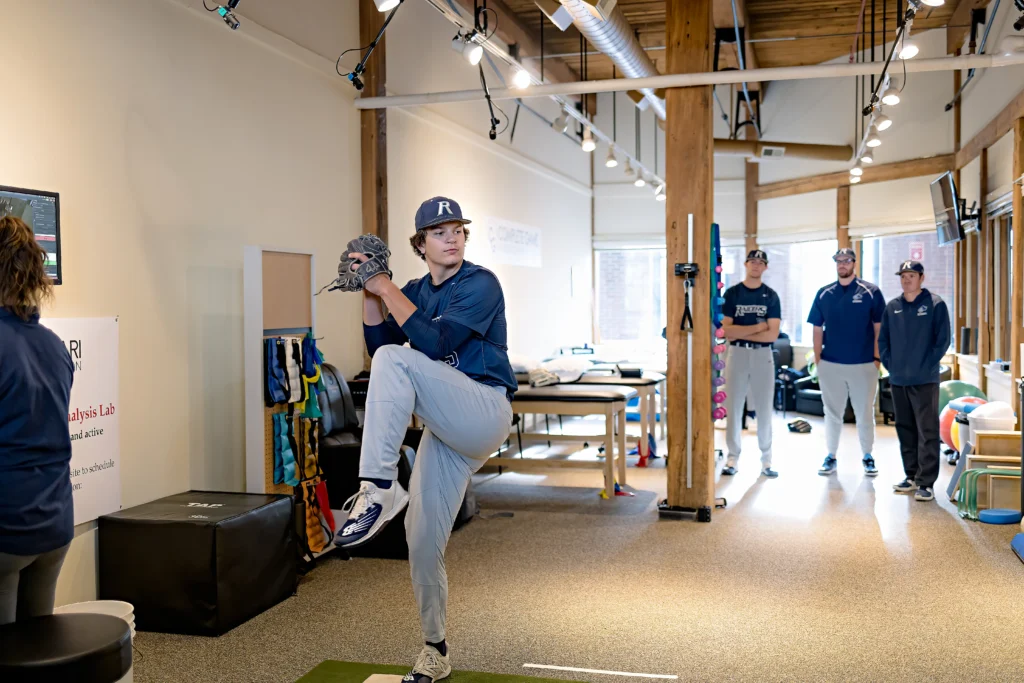
- Throwing mechanics review
- Workload planning
- A return-to-throwing program
When can I start throwing again?
We’ll work closely with you to let you know when it’s safe for you to get back into the game. Generally, you’ll need to meet these key markers:
- Full or improved shoulder motion
- No sharp pain with daily movement
- Strong rotator cuff and shoulder blade control
- Good trunk and hip mechanics
- No pain during rehab drills
- Gradual success with short-distance throwing
Five Signs a Throwing Athlete Should See a Physical Therapist
A small change in your arm can turn into a bigger problem over time, so if something feels off, it’s time to get checked out by the Complete Game Physical Therapy team.
What To Watch Out For
1. Pain That Changes How You Throw
2. Loss of Velocity or Control
3. Limited Shoulder or Upper Back Motion
4. Arm Fatigue Early in Activity
5. A “Dead Arm” Sensation
Take Control of Your Throwing Health
Early treatment helps athletes avoid long layoffs and bigger injuries. Complete Game Physical Therapy helps throwing athletes restore movement, build strength, and return to play with a clear plan.
If you notice any of the signs or symptoms above, reach out to our clinic for your initial assessment.
Get Back to Throwing Strong
Don’t let shoulder pain affect your season! The right plan can help you move, throw, and compete better. Complete Game Physical Therapy helps baseball players address pain, rebuild strength, improve mechanics, and return to the field with confidence.
Schedule an appointment with us today to get started.
Colleen’s expertise, patience, and personalized approach not only helped my daughter heal physically but also rebuilt her confidence. She guided her safely back to her sport and made sure she felt strong and ready every step of the way. We are so grateful for Colleen’s care and would highly recommend her to anyone in need of an exceptional physical therapist.”
Dr. Amanda Bednarek

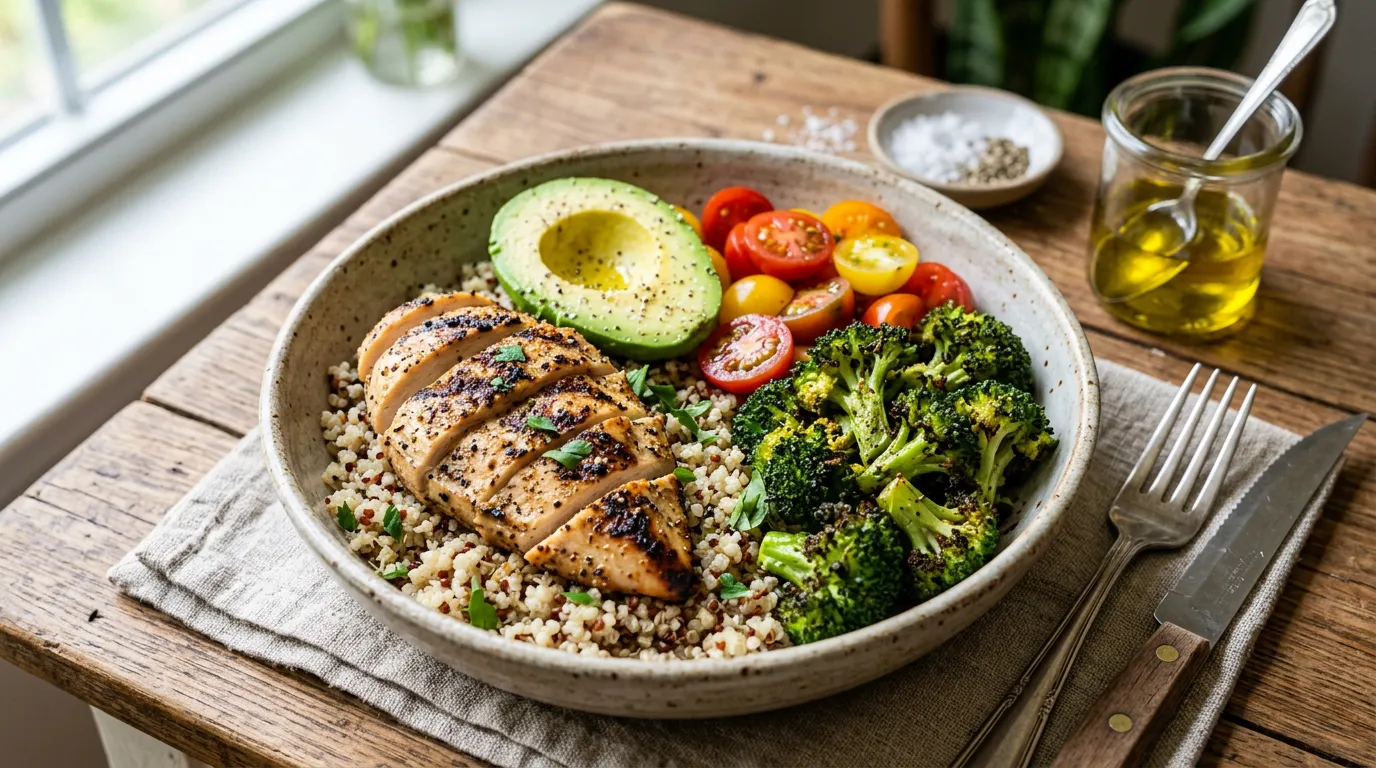
High-Protein Chicken & Quinoa Power Bowl
Ingredients
- 2 cups cooked quinoa
- 2 grilled chicken breasts, sliced
- 1 avocado, sliced
- 1 cup cherry tomatoes
- 1 cup roasted broccoli
- 1 tablespoon olive oil
- Salt, pepper, and garlic powder to taste
Directions
- Cook quinoa according to package directions.
- Season and grill chicken until fully cooked.
- Roast broccoli at 400° until lightly crisp.
- Assemble bowls with quinoa, chicken, vegetables, and avocado.
- Drizzle with olive oil and season before serving.
Dumbbell Front Raise (Shoulders)
Materials Needed Dumbbells