
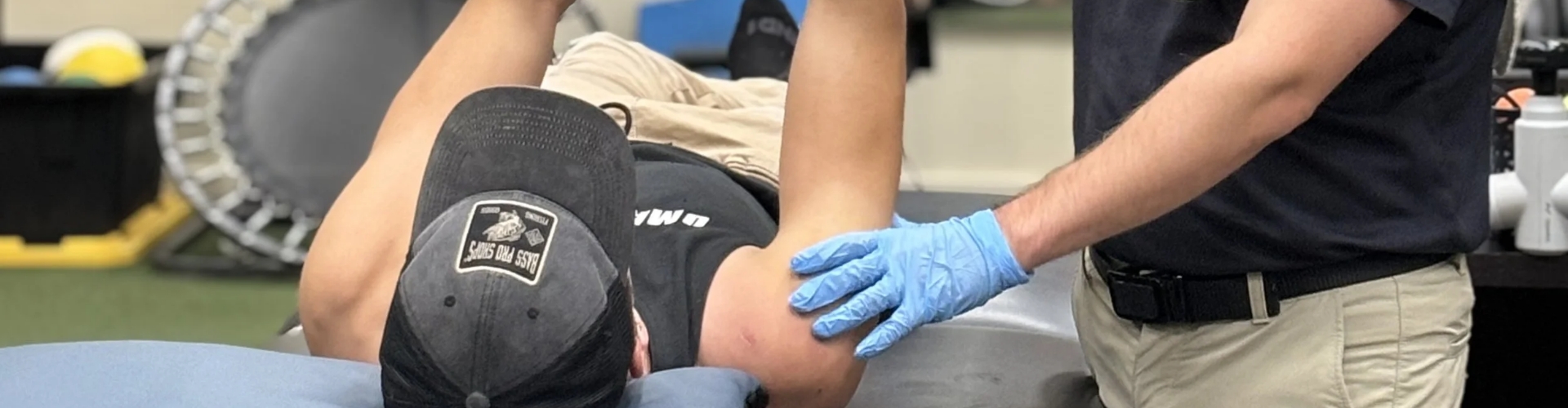



Shoulder Pain And Athletes: What You Need to Know
Shoulder pain affects athletes and active individuals who rely on strong, controlled movement for throwing, lifting, reaching, or overhead activity. Pain may feel sharp, stiff, or achy. Some athletes describe weakness, catching, or difficulty raising the arm. These symptoms disrupt training, limit daily tasks, and make overhead movement uncomfortable. Many people begin searching for shoulder pain relief in North Chelmsford, MA when shoulder pain interferes with performance or returns each time they increase activity.
Early physical therapy helps address the source of discomfort and prevents long term issues that develop when the body avoids movement or compensates for weakness.
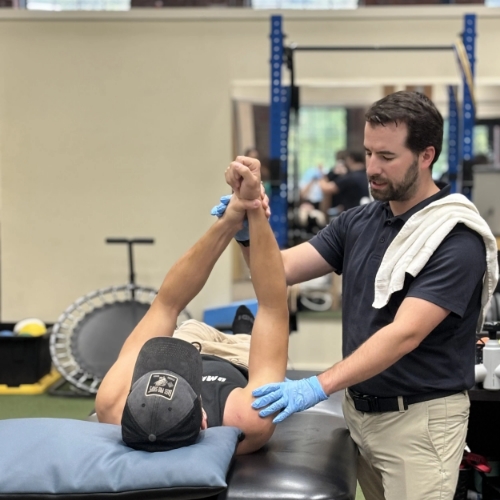
Why Shoulder Pain Needs Attention
Shoulder pain often develops from muscle imbalance, rotator cuff irritation, poor scapular control, overuse, posture changes, or limited mobility in the upper back. Athletes may also develop symptoms from high volume throwing, overhead lifting, swimming, or repeated impact. Without treatment, the shoulder may lose strength and stability, which increases strain on surrounding joints and muscles.
Untreated shoulder issues may lead to restricted motion, reduced power, and difficulty performing sport-specific tasks. Early intervention helps prevent these limitations by restoring coordination, strength, and control.
Common Symptoms
- Pain during overhead movement
- Aching in the front, top, or back of the shoulder
- Weakness or difficulty lifting objects
- Clicking or catching sensations
- Reduced range of motion
- Pain that increases with throwing or weight training
Why These Conditions Affect Active Individuals
Athletes depend on healthy shoulder mechanics to generate power and maintain control. Throwers, swimmers, lifters, volleyball players, and tennis players place repeated demands on the shoulder joint. When posture changes, mobility decreases, or the rotator cuff weakens, the shoulder compensates and irritation develops. These changes influence performance and increase the risk of further injury.
Physical therapy helps restore proper coordination between the shoulder blade, rotator cuff, trunk, and arm. This combination supports strong, efficient motion during sport and daily tasks.
How Physical Therapy at Complete Game Physical Therapy Helps
Physical therapy provides a structured plan that reduces pain, improves mobility, and builds strength in key muscles that support shoulder function. Our clinicians have athletic backgrounds and advanced training in movement analysis. This experience helps us understand how shoulder pain affects overhead athletes, lifters, and active individuals.
Your treatment may include:
- Manual therapy to reduce tightness and improve joint mobility
- Strengthening for the rotator cuff and scapular stabilizers
- Neuromuscular control exercises to improve shoulder blade movement
- Mobility work for the shoulder, spine, and rib cage
- Movement retraining that supports efficient overhead motion
- Activity modification to help you train safely during recovery
As your strength and mechanics improve, your therapist increases the complexity of your program to prepare you for sport specific tasks.
Why Athletes Choose Complete Game Physical Therapy for Shoulder Pain Relief
Complete Game Physical Therapy provides care grounded in evidence-based treatment and sport-minded decision making. Many members of our team competed in sports and have advanced training in athletic performance. This experience helps us evaluate throwing mechanics, overhead patterns, lifting technique, and the physical demands of sport.
Our treatment plans reflect your goals and prepare your body for long term success. We focus on building strong foundations that support confident movement while reducing the risk of reinjury.
Ready to Move With Confidence
The team at Complete Game Physical Therapy supports athletes and active individuals in North Chelmsford, MA who want to recover, train, and perform at a higher level. Our clinicians use evidence based treatment and advanced movement assessment to guide each step of your progress. Your therapist will create a plan that reflects your goals and prepares your body for the demands of your sport or routine. You can contact our clinic today to schedule an appointment and start a treatment plan that helps you move forward with strength and control.
Frequently Asked Questions
Do I need imaging before starting physical therapy?
Can shoulder pain improve even if I have had symptoms for months?
Should I stop training if my shoulder hurts?