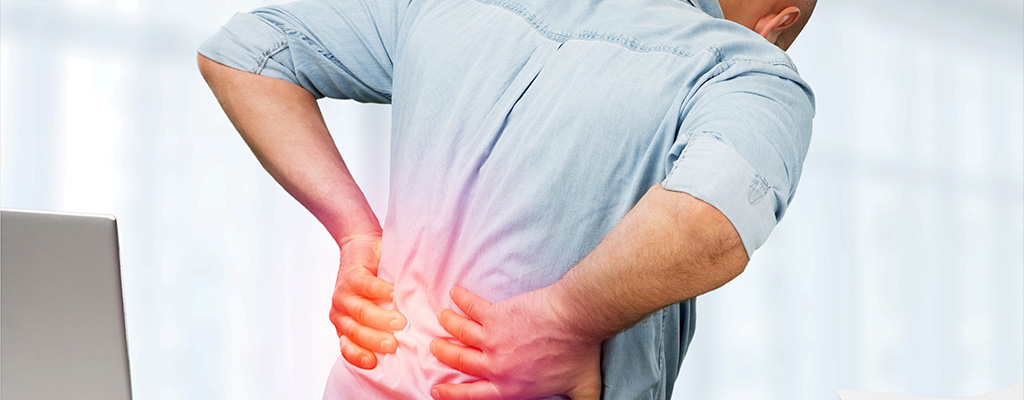

Struggling with Knee Pain?
It Could be a Problem In Your Hip
You’re trying to beat a new PR on the running trail, only for persistent knee pain to get in the way. You assume it’s some knee-related overuse injury, so you ice your knee, stretch your quads, and swap out your running shoes. But the pain keeps coming back.
Before you panic, consider this: the source of your discomfort might not be your knee at all. In many cases, the real issue starts higher up, at the hip.
At Complete Game Physical Therapy, our team regularly helps athletes and other active individuals address pain and injuries that keep them from performing at their best. And one of the main ways we do that is by looking at the entire body, not just the affected area. Because sometimes, the source of pain can be surprising.
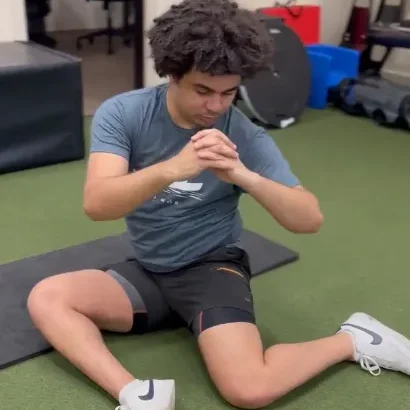
The Hip/Knee Connection: What’s Really Happening?
Your body works along something known as the kinetic chain, which means your muscles, joints, and soft tissue work together to get you moving. Every time you perform movements like running, cutting, jumping, or squatting, force travels from the ground through the ankle, into the knee, and up to the hip.
As the largest and most powerful joint in the lower body, the hip actually sits at the center of that chain. It controls the position of the thigh, which directly influences how the knee loads and tracks during movement.
When the hip does not function well, the knee often absorbs stress it was never meant to handle, leading to discomfort.
Hip Strength: The Foundation of Knee Control
Strong hips keep the thigh aligned and the knee stable during running, jumping, and cutting. Two muscles play a significant role:
- The gluteus medius, which stabilizes the pelvis during single-leg activities like running.
- The gluteus maximus, which drives hip extension and controls rotation.
When these muscles are weak or poorly coordinated, the thigh may rotate inward, and the knee may collapse toward the midline. This increases stress on the kneecap, tendons, and ligaments. Over time, poor hip control can contribute to:
- Patellofemoral pain syndrome
- Iliotibial band syndrome
- Increased strain on the ACL
So even though you might feel symptoms in your knee, strengthening your hip is often what leads to better alignment and reduced knee strain.
Hip Mobility: The Missing Piece
Strength is essential for athletic performance. However, mobility is equally important.
The hip must move freely, especially into extension and rotation. When that mobility is limited, the knee often compensates, leading to:
- Increased pressure on the kneecap
- Reduced glute activation
- Increased twisting forces at the knee.
These small changes, repeated over time, increase irritation and the risk of pain. Restoring hip mobility helps distribute forces more evenly and improves overall movement efficiency.
Evidence-Based Treatment Strategies That Work
Addressing knee pain requires treating the source, not just the symptoms. Our team takes a combined approach focused on hip strength, motor control, and mobility. Here’s what this might look like:
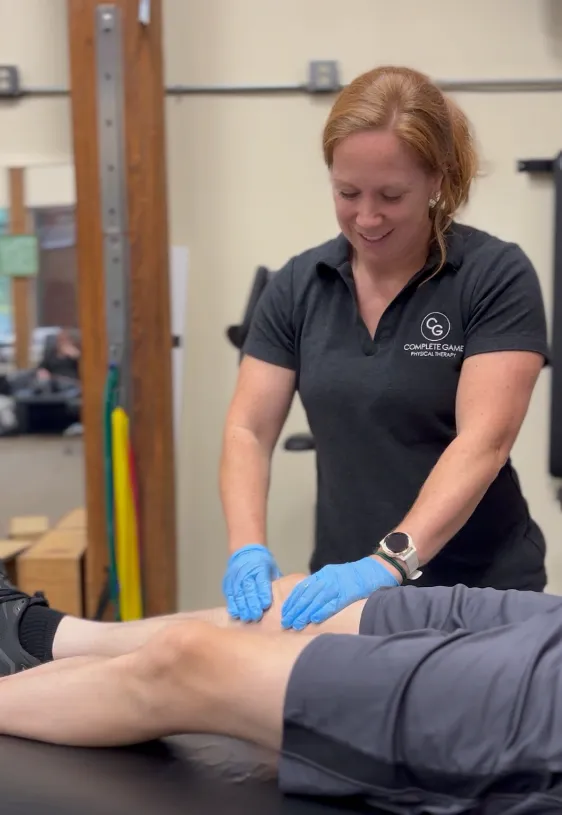
Mobility Restoration
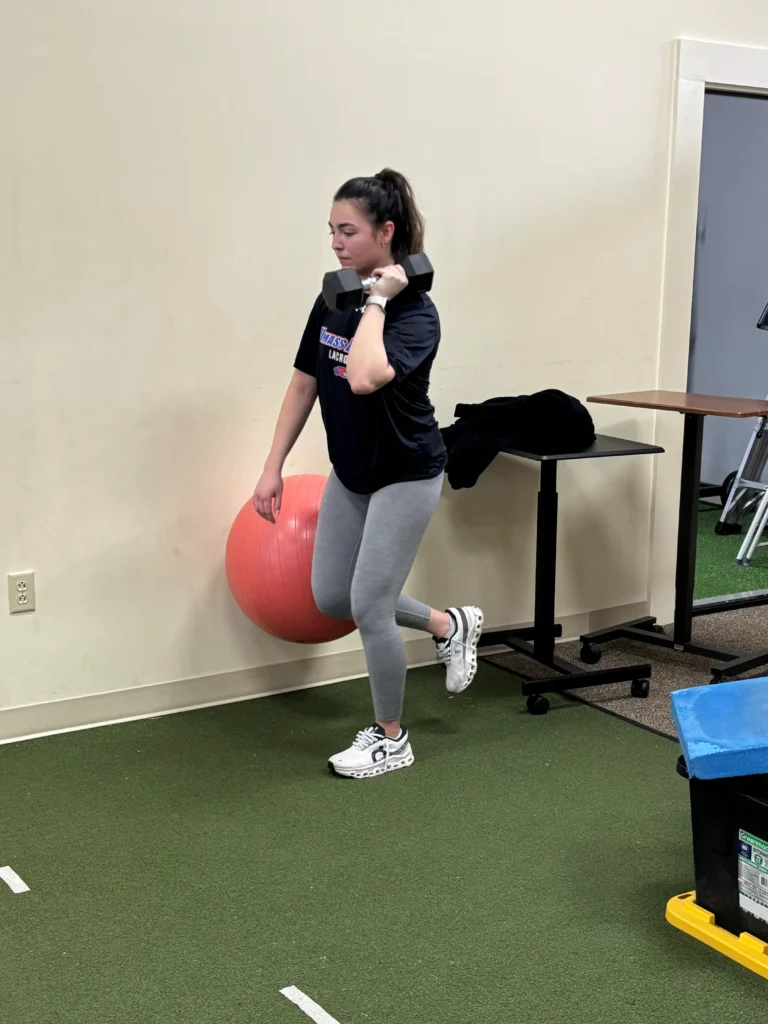
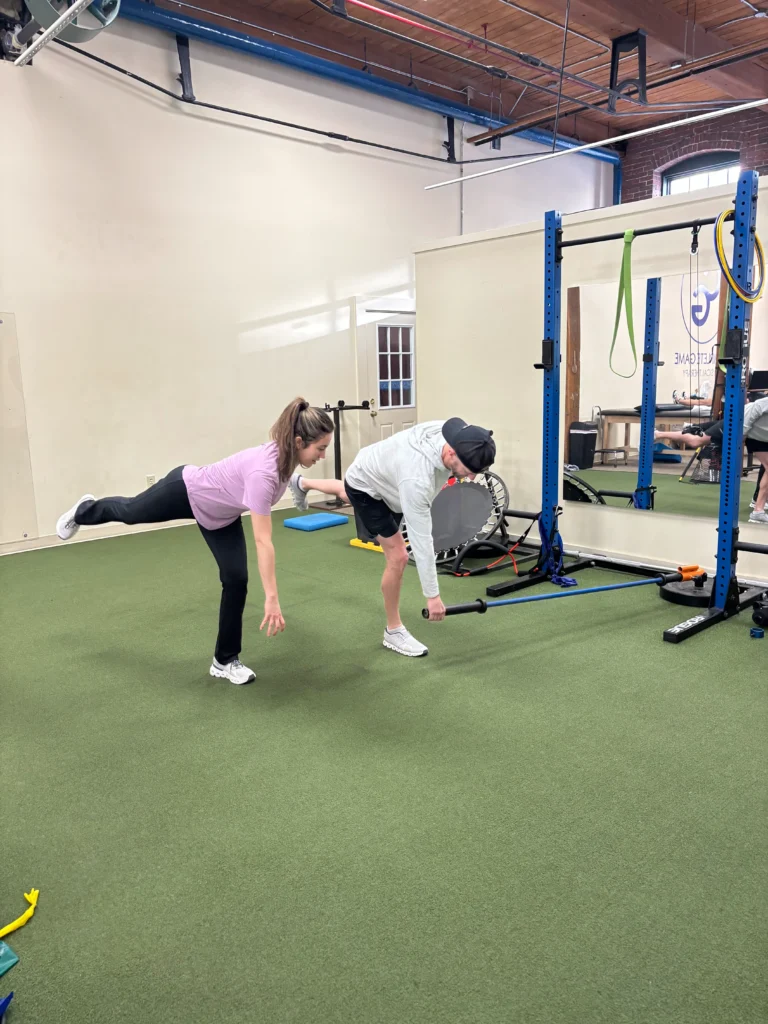
Targeted Hip Strengthening
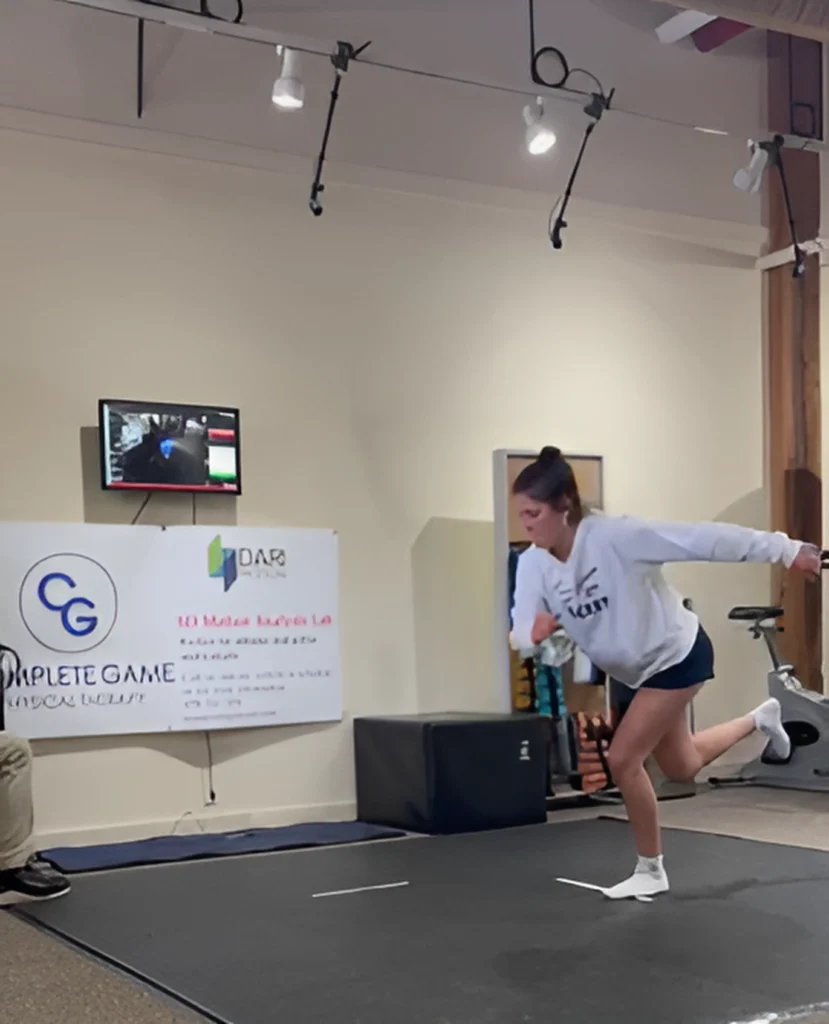
Neuromuscular Training
Load Management
Don’t Let Hip Dysfunction Hold You Back
Knee pain in athletes is often a symptom, not the root problem. If knee pain has been limiting your training, it may be time to look higher up the kinetic chain. Contact Complete Game Physical Therapy to learn more about how our team can help you move better, feel better, and stay in the game.
Knee Pain and Growth Spurts: What You Need to Know
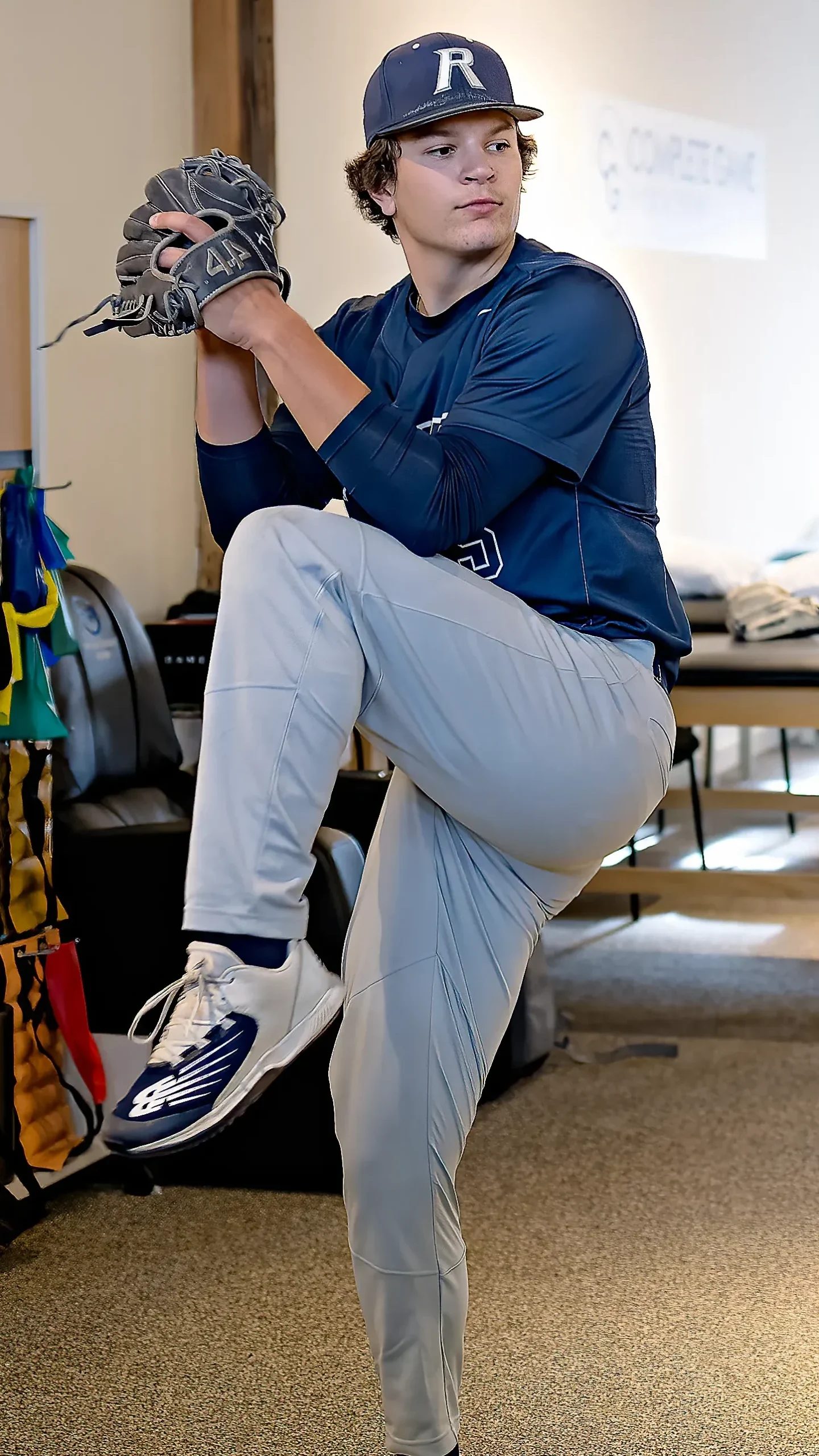
Your young athlete was fine last season. Now, they come home from practice complaining about knee pain. While several factors can contribute to knee pain, there’s one that often gets overlooked: growth spurts.
What Happens During a Growth Spurt?
During adolescence, bones grow quickly, sometimes by several inches per year. However, muscles and tendons don’t always keep up at the same pace, which creates tension across joints, especially at the knee.
As a result, overall body coordination temporarily decreases as the body adjusts to new limb length. Furthermore, growth plates – areas of softer, developing bone – are more sensitive to stress, further contributing to stress.
The knee is frequently affected by this process because it sits between two rapidly changing long bones. Tight quadriceps muscles pull on the kneecap and its tendon, while weak or fatigued hip muscles may allow the knee to drift inward during running or jumping.
Add sports practices several days a week, and it’s no surprise irritation develops! Fortunately, this phase is manageable.
How Physical Therapy Can Help with Growth-Spurt Related Pain
Our team can help your child work through this phase by:
- Guiding them through gentle mobility work for tight muscles
- Strengthening the hips and core to improve alignment
- Correcting landing and running mechanics
- Providing temporary activity adjustments to reduce overload
We’ve Got YOu
If your young athlete is complaining of persistent knee pain, early assessment can prevent longer setbacks. Schedule an appointment with Complete Game Physical Therapy today to learn more about what could be causing their discomfort so you can keep them in the game – safely and comfortably.
Amanda Shares Injury-Prevention Strategies at Tyngsboro Youth Lacrosse Annual Coaches Meeting
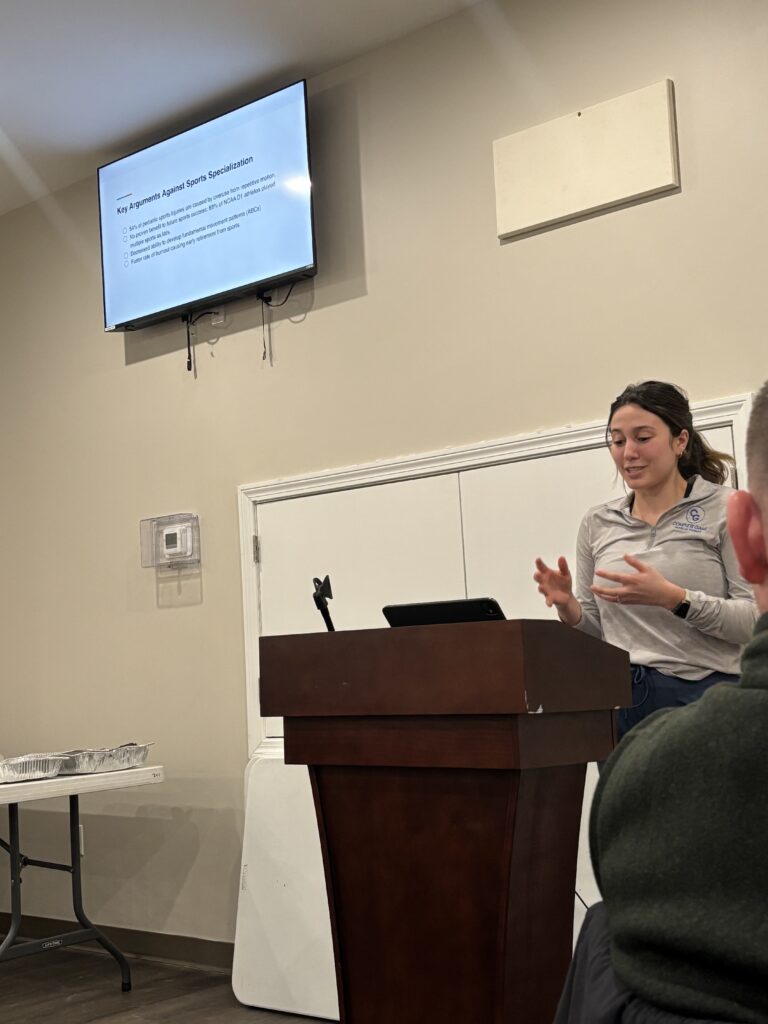
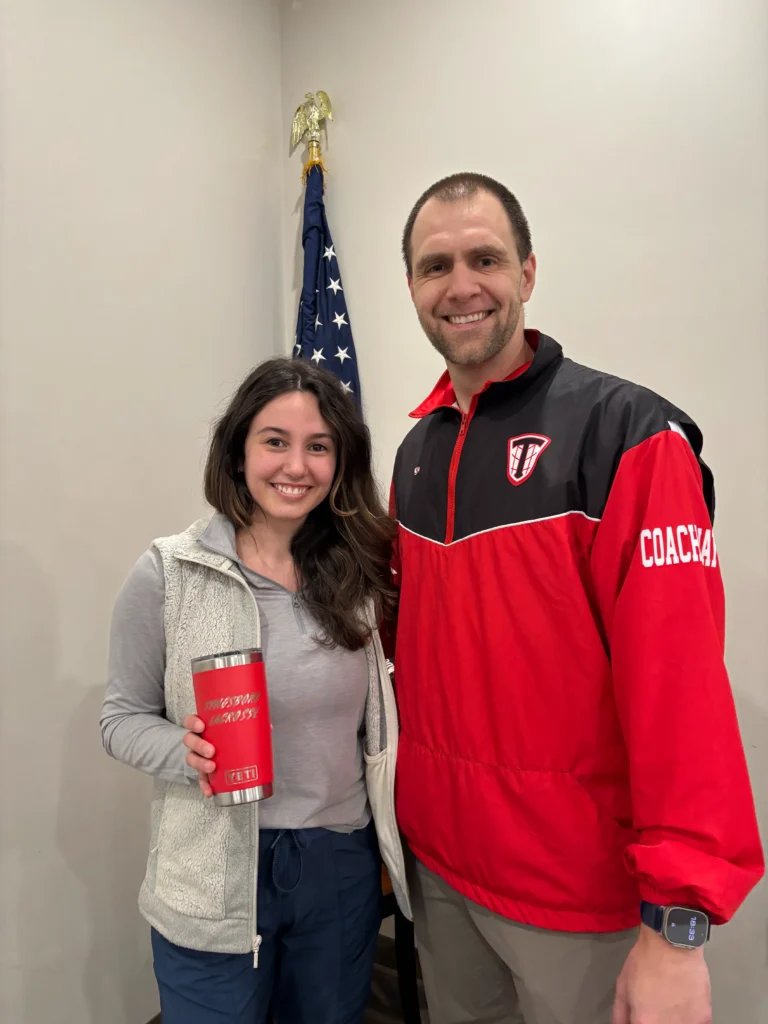
Last week, Amanda delivered an engaging and informative talk at Tyngsboro Youth Lacrosse’s annual coaches meeting, focusing on practical ways to reduce the likelihood of injury in youth lacrosse. She shared evidence-based strategies coaches can use to promote safer play, improve conditioning, and support long-term athlete development. The session sparked great discussion and reinforced the league’s commitment to keeping young athletes healthy and on the field.
Patient Success Story
“My son had an ankle injury. He worked primarily with Mike but also had sessions with Jess and Colleen. All three were incredibly knowledgeable and professional. The sessions were productive and fun for my 10 year old- he loved going! Also, they gave him a manageable load of “homework” exercises that he understood and could do on his own (parents, you know). The administrative staff was incredibly helpful with scheduling, and the environment was clean, welcoming, and family friendly. Most importantly, my son’s ankle improved drastically. I would highly recommend Complete Game Physical Therapy to anyone!” – J.W.
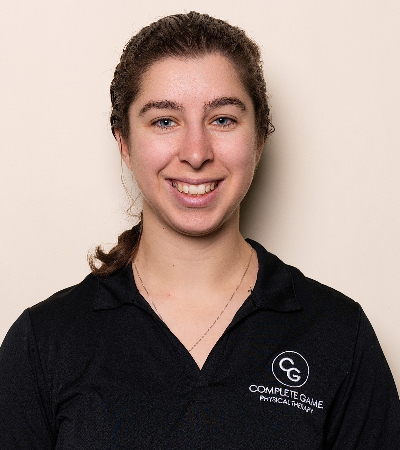
Staff Spotlight:
Dr. Lori Merlo | PT, DPT, ATC
Lori earned her Bachelor’s in Athletic Training from Westfield State University and earned her Doctorate of Physical Therapy from UMass Lowell. While at Westfield, Lori ran on the varsity cross country and track teams. As an athletic trainer, Lori has experience working with athletes from the youth sport level through collegiate athletics in sports including ice hockey, cheerleading, basketball, rugby, and baseball. Lori has advanced training in treating patients with hip, pelvis, and lower back pain through Core Exercise Solutions Pelvis Pro certification. She is also certified in dry needling and has advanced training in working with runners and endurance athletes. Lori integrates manual therapy with mobility and strengthening exercises to help each patient get back to doing what they love. Outside of the clinic, Lori enjoys running, hiking, rock climbing, and cooking.
Recipe of the Month: Overnight Oats
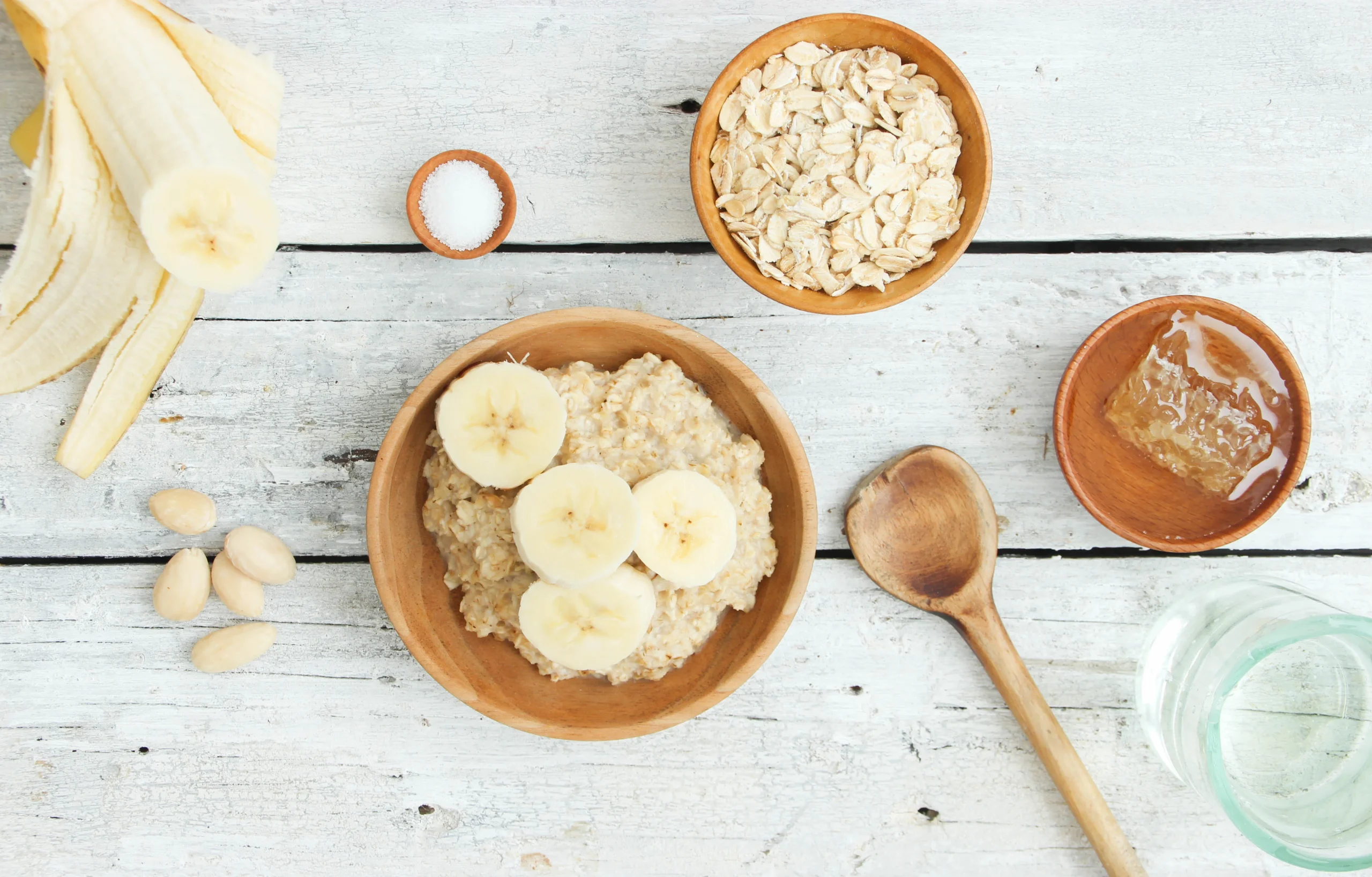
Ingredients:
- ⅓ cup old-fashioned oats
- ¼ teaspoon ground cinnamon
- 1 tablespoon chia seeds
- 1 tablespoon peanut butter
- ⅔ cup milk
- ½ cup sliced banana
- Drizzle of maple syrup or honey, if desired
Instructions:
- Mix everything together, cover and refrigerate overnight.
- Serve with your favorite toppings.
- Makes 1 serving.
Exercise Of The Month
Double Knees to Chest
Start on your back with your knees bent. Slowly bring both knees to your chest. Grasp your knees. Hold for 30 seconds and repeat. (1 Set, 3 Reps)