
Spring Sports Are Back!
Tips for Preventing Early-Season Injuries
Spring is in full bloom, and that means athletes are returning to the field, court, and track. And with spring’s lovely weather, it’s easy to jump straight back into the thick of training.
Unfortunately, many athletes do so before their bodies are ready, which only increases their risk of early-season injuries that can put them on the bench before the season really gets underway.
There is good news, though: with some help from the Complete Game Physical Therapy team, you can make sure you’re prepared for these demands. Our physical therapists can assess your movement, identify weak points, and help develop a plan to improve performance and reduce your injury risk as you transition back to sport.
Why Are Early-Season Injuries So Common?
During the off-season, your muscles, tendons, and joints adapt to a different level of activity. As a result, your coordination and timing decline–even if you don’t necessarily notice. If you increase your training volume too quickly, you place a great deal of stress on tissues that aren’t prepared to handle it.
Other factors can also come into play, such as improper running, jumping, or throwing mechanics, which further increase joint stress and reduce movement efficiency, meaning your body has to work harder to achieve the same results. Inefficient movement can also lead to earlier fatigue, reducing your ability to absorb the high forces required by your sport and increasing the risk of awkward movements that can lead to injury.
The Specific Risks of Popular Spring Sports
Different sports have different injury risks. For example:
- Baseball and softball place repeated stress on the shoulder and elbow.
- Track and field increases demand on the hamstrings and calves.
- Soccer and lacrosse require quick cuts, which challenge the knees and ankles.
That’s why it’s important to understand the specific needs of your chosen sport when working to prevent injuries.
The Specific Risks of Popular Spring Sports
Fortunately, you can reduce injury risk with several simple, effective strategies. Our team uses these same principles in treatment and training programs.
1. Gradually Build Intensity
You should gradually increase your training volume, giving your muscles and tendons time to adapt. This concept, known as progressive loading, safely improves tissue strength and reduces the risk of overload injuries.
- Start with shorter sessions
- Add intensity over time
- Include rest days for recovery
2. Strengthen Key Muscle Groups
Strength training supports joints and improves control. A well-rounded plan will improve overall strength and consider the needs of your chosen sport.
- Focus on hips, core, and shoulders
- Use controlled, sport-specific exercises
- Train both explosive strength and muscular endurance
3. Improve Mobility
Mobility allows your joints to move through their full range of motion without restriction, making movement easier overall.
4. Focus on Movement Quality
Efficient movement reduces unnecessary stress. We recommend visiting our team for a full movement analysis, which can help pinpoint specific problems so you can correct them directly.
- In particular, practice proper running and landing mechanics to improve control
- Use drills that improve balance and coordination
- Correct faulty patterns early
5. Prioritize Recovery
Recovery allows the body to repair and adapt, so make sure to build recovery days into your training routine. Since prolonged rest can reduce strength and coordination, aim for light, controlled activity on rest days. And remember:
- Sleep supports tissue healing
- Hydration supports muscle function
- Light movement between heavy sessions keeps you active without overdoing things
How Complete Game Physical Therapy Supports Spring Injury Prevention
You don’t have to prepare for the spring sports season on your own. We offer several evidence-based strategies to improve performance and reduce injury risk.
- Movement assessments identify minor problems before they become major ones
- Manual therapy improves joint and soft tissue mobility
- Neuromuscular training improves coordination and joint control
- Strength training increases load tolerance
- Progressive loading programs prepare athletes for sport demands
Even if you don’t have a current injury, a structured program can improve your performance and make sure you have a safe season.
The Importance of a Good Warm-Up Routine
A proper warm-up prepares the body for the speed, power, and control needed during a big game. It helps deliver oxygen and nutrients that keep the muscles working efficiently, and it activates your nervous system to improve timing and coordination.
A smart athlete knows never to skip a warm-up. Unfortunately, there are still some warm-up mistakes that might hold you back during your game.
Common Warm-Up Mistakes (and How to Fix Them)
1. Static Stretching Before Activity
2. Rushing Through Your Routine
3. Ignoring Movement Mechanics
4. Skipping Activation Work
We’re Here to Help You Prepare to Perform
A structured warm-up improves your readiness to perform and builds the capacity needed for the physical demands of your sport. If you’re not sure what movements to include in your warm-up routine, Complete Game Physical Therapy can help! Schedule a visit today to learn more.
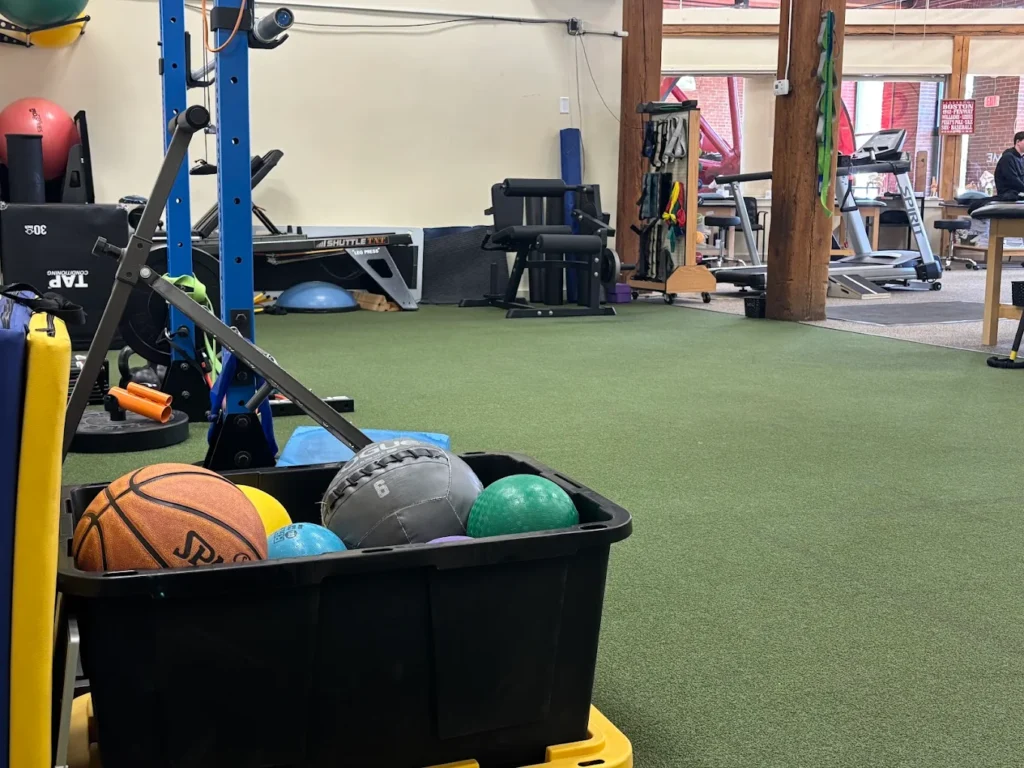
From Baseball to Lacrosse, We’re Here to Help!
Spring sports demand speed, strength, and control. Training with intention can reduce your injury risk and help you perform at a higher level.
The Complete Game Physical Therapy team is here to help athletes of all kinds move better, build strength, and stay in the game. If you want to perform your best this season, schedule an evaluation with our physical therapists today. Your preparation now sets the tone for the entire season.

Patient Success Story
“The team at Complete Game was unbelievable. I tore my rotator cuff the weekend before baseball season started (I am a coach). I couldn’t even put on a shirt at the time. In less than 2-weeks I was hitting fungos at practice and in 4 weeks I was able to throw overhand for short distances. They were able to not only manage my pain but also improve my flexibility. There is no way I would have been able to function at all on the field without them. I thank them for getting me through the season and allowing me to have enough flexibility to lift the trophy above my head when the season ended! Thank you CG!” – L.D.

Staff Spotlight:
Dr. Mike Scholz | DPT, CSCS
Dr. Mike Scholz joined the staff at Complete Game Physical Therapy in September 2022. Mike is a certified and licensed Physical Therapist and Certified Strength and Conditioning Specialist (CSCS) through the National Strength and Conditioning Association. Mike earned his Doctorate in Physical Therapy (DPT) from the University of Massachusetts Lowell. Mike received his B.S. in Exercise Physiology with a minor in Nutrition from UMass Lowell as well. He is also trained in Neurological Dry Needling through Integrative Dry Needling. Mike’s passion is in sports medicine with a special interest in overuse injuries in aerobic and endurance athletes. Mike strives to provide high quality, patient centered care by combining his manual therapy skills with corrective exercises, patient education, and functional training techniques to help patients return to what they love to do on and off the field. He enjoys creating positive experiences for each patient and helping them reach their goals.
Mike was a co-captain and a member of the UMass Lowell Men’s Rowing team for four years. He continues to train and race competitively as a rower and has coached rowing both at the high school and collegiate level. Mike also enjoys triathlon and completed his first marathon in 2018 and his first Ironman in 2019. Mike currently lives in Lowell and in his free time enjoys rowing, running, cycling, swimming, watching football, and petting his cat, Gracie.
Recipe of the Month:
Herby Chicken Meatball Pitas with Jalapeño Tzatziki

Ingredients:
For the jalapeño tzatziki sauce:
- 1 cup 2% or whole milk plain greek yogurt
- 2 teaspoons extra virgin olive oil, plus more for drizzling
- 1 tablespoon lemon juice
- 1 clove garlic, grated
- 1/2 cup finely grated/shredded cucumber (from 1 small cucumber)
- 1 tablespoon chopped fresh dill
- 1/4 teaspoon kosher salt
- Freshly ground black pepper, to taste
- 1 jalapeño, finely diced
For the meatballs:
- 1 pound lean ground chicken or turkey
- 1 egg
- ½ cup panko breadcrumbs
- ¼ cup finely diced red onion
- 3 cloves garlic, minced
- 1 jalapeño, finely diced
- 3 tablespoons chopped fresh parsley
- 2 tablespoons chopped fresh mint
- 1 tablespoon chopped fresh dill
- 1 teaspoon dried oregano
- 1 teaspoon lemon zest
- 1 teaspoon kosher salt
- Freshly ground black pepper
- 2 tablespoons olive oil or avocado oil
For assembly:
- Pita Bread
- 4 mini Persian cucumbers, sliced
- 2 roma tomatoes, sliced
- ½ red onion, thinly sliced or pickled red onion
- Crumbled feta cheese
- Extra fresh dill
Instructions:
- Make jalapeno tzatziki sauce: While the meatballs cook, make your jalapeno tzatziki sauce by combining all ingredients in a medium bowl. Set aside or cover and place in the fridge until ready to serve. This can also be made 1 to 2 days ahead of time.
- Prepare the meatballs: Fill a small bowl with water and place it on the counter. In a large bowl, add the ground chicken, egg, panko, red onion, garlic, jalapeno, parsley, mint, dill, oregano, lemon zest, salt and black pepper. Use clean hands to mix until well combined; avoid overmixing otherwise the meatballs will become tough. Form into 16 golf ball sized meatballs, dipping your hands in water between each meatball to prevent sticking.
- To pan-fry the meatball: In a large, deep nonstick skillet, warm 1 tablespoon of oil over medium heat. Once the oil is hot, add the meatballs, leaving about ½ inch between each (you may need to do this in batches, depending on how many meatballs you can fit in your skillet without overcrowding them), and brown on all sides until cooked through (a meat thermometer should register 165°F degrees), 10 to 12 minutes. Transfer the meatballs to a plate and repeat with the remaining meatballs, adding more oil, if necessary.
- To bake the meatballs: Preheat the oven to 400°F. Line a large baking sheet with parchment paper. Place the meatballs at least 1 inch apart on the parchment paper. Bake until a meat thermometer inserted into the meatball reads 165°F, 17 to 22 minutes.
- Assemble and serve: You can either slice your pita bread in half and open it to stuff them, or you can use a whole pita bread and treat it like a taco. It depends on how thick your pita bread is. Either way, dollop jalapeno tzatziki sauce in or on each pitta, then add 2 to 3 meatballs, a layer of tomatoes, cucumbers, red onion, feta and dill, if desired. Top with a little more jalapeno tzatziki, if desired, and enjoy!
Exercise Of The Month
SIDE LYING HIP ABDUCTION
Begin by lying on your side with your head supported by a pillow, hips stacked, and your bottom knee bent at 45 degrees to provide a stable base. Bracing your abdominals, slowly lift your top leg, keeping your foot parallel to the ground, hold as instructed, and then slowly lower your leg back to the floor.
3 Sets, 10 Reps. (Materials needed: pillow)