
Is That Summertime Discomfort a Sports Injury?
Summer’s long, sunny days make it a great time for competition and training. There’s a good chance your calendar is full of weekend tournaments, scenic runs, or practices with your recreational league. With so many opportunities to stay active, it’s no surprise you might find yourself pushing harder than you do in the winter months.
Unfortunately, this increase in activity can also increase your risk of injury. And while some mild aches or soreness are a normal part of an active lifestyle, they can also signal a problem that deserves attention from the Complete Game Physical Therapy team.
Knowing the difference can help you stay active, perform at a high level, and avoid a setback that could impact the rest of your summer season.

Sports-Related Pain: What You Need to Know
It’s normal to feel some muscle soreness or temporary stiffness after a particularly strenuous workout or high-level competition. This type of discomfort fits a pretty expected pattern:
- Develops 24-48 hours after activity
- Symptoms will feel better with movement
- Gradually improves over several days
That’s why it’s important to understand the specific needs of your chosen sport when working to prevent injuries.
Acute Injuries Versus Overuse Injuries
When most athletes think of a sports injury, they think of an acute injury, which occurs suddenly in the middle of activity: for example, an ankle sprain or ACL tear. It’s hard to miss when you’ve suffered an acute injury.
However, many sports injuries are actually overuse injuries, which develop gradually over time. These are the types of injuries that often get mistaken for the normal discomfort discussed above.
Overuse injuries develop due to repeated stress on a particular area of the body that overwhelms your ability to recover. Runner’s knee, tennis elbow, and shin splints are all common examples. It can be easy to ignore them because the symptoms start gradually, but an overuse injury deserves the same attention as an acute injury. You might be able to push through these minor concerns now, but if left untreated, they can impact your overall performance and potentially set you up for a more significant injury later in the season.
How Can I Tell If I’ve Been Injured?
Even overuse injuries behave differently from normal post-workout pain. You may want to pay closer attention if you notice:
- Pain that continues during activity
- Swelling around a joint or muscle
- Sharp or sudden pain
- Reduced strength
- Difficulty changing direction, jumping, throwing, or running
- Symptoms that continue for several days without improvement
- Loss of mobility or range of motion
Why Early Treatment Is Essential
Many athletes wait until pain becomes severe before seeking help, but a better approach is to address these restrictions before they affect performance. Even a mild injury can change movement patterns, causing you to compensate without realizing it. Those compensations can place additional stress on muscles, tendons, and joints, keeping you from playing at your best.
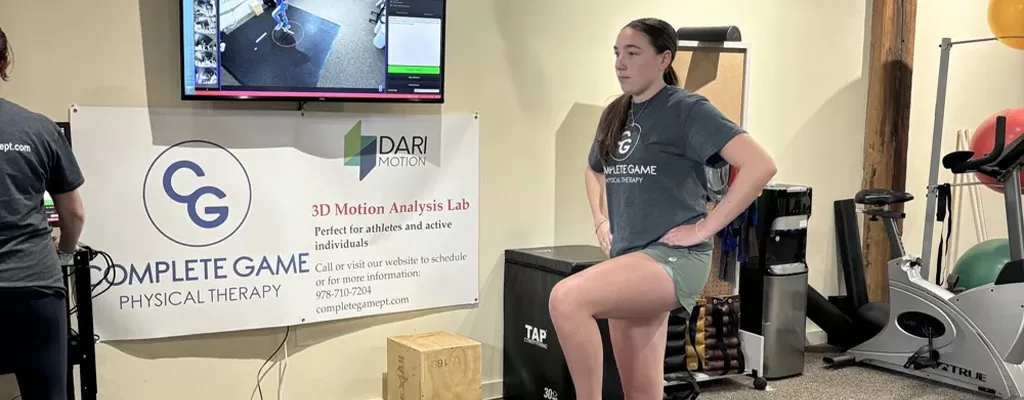
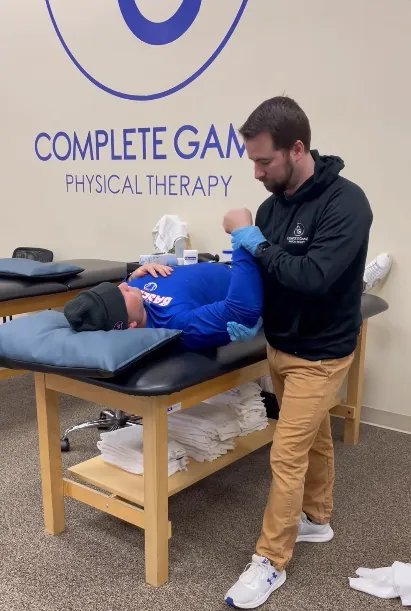
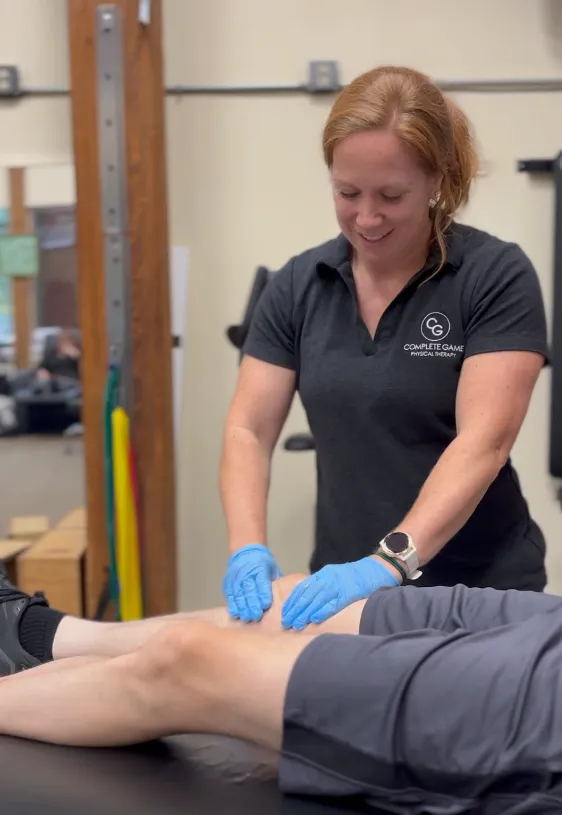
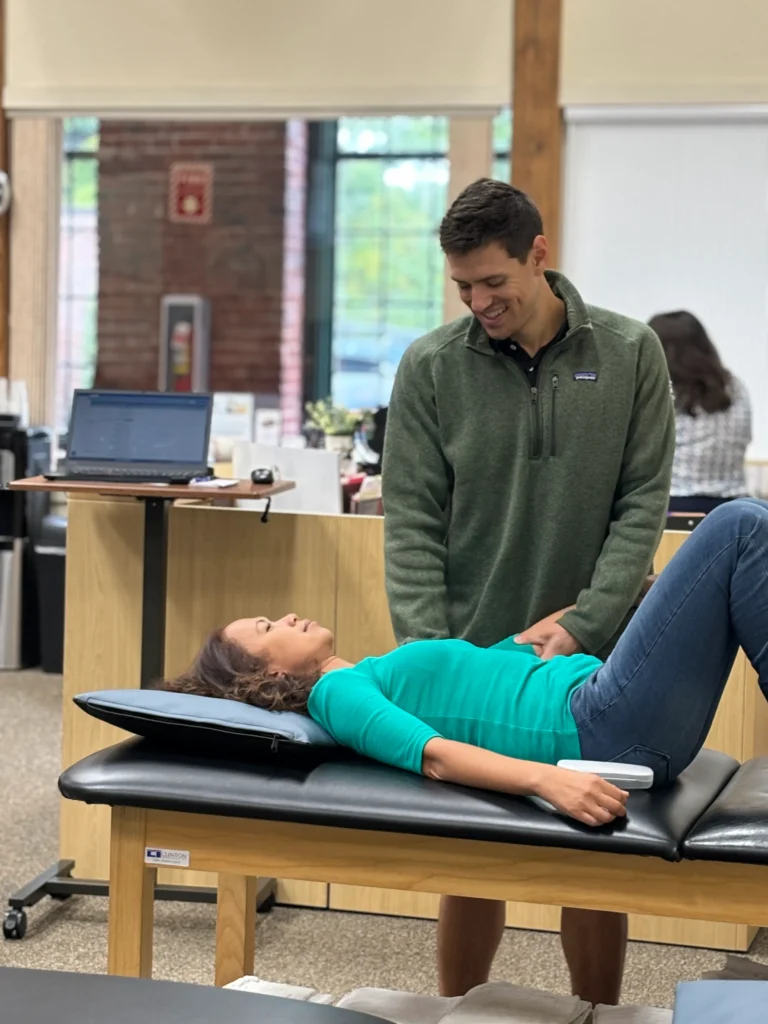
When you visit Complete Game Physical Therapy, our team will perform a comprehensive assessment to help us identify the specific factors that contributed to your injury, such as muscular imbalances, movement inefficiencies, or how your body handles impact during landing. From there, we’ll create a personalized care plan that addresses the injury and its contributing factors, which means you’ll often see a boost in performance by the end of your treatment program.
Stay Strong Through the End of Summer
The summer sports season moves quickly, and small aches can become bigger problems when ignored. If you’ve noticed pain, weakness, or movement restrictions that affect your sports performance, now’s the time to give Complete Game Physical Therapy a call. Early treatment can help you recover more efficiently, improve movement quality, and continue participating in the activities you enjoy. Schedule an appointment today to get started. We’re here to help you finish the summer season performing at your best!
Why Jumper’s Knee Won’t Go Away on Its Own
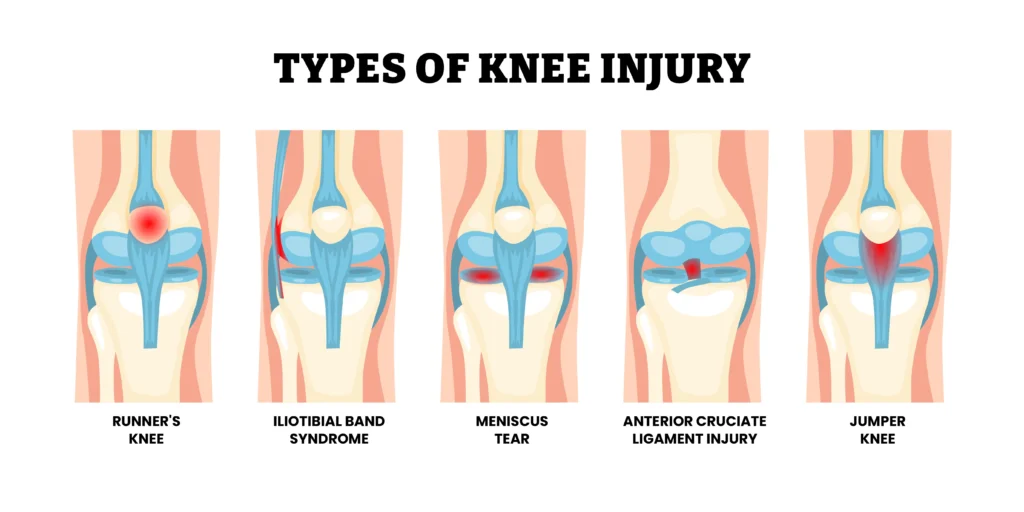
At Complete Game Physical Therapy, one of the overuse sports injuries we often see is jumper’s knee, which causes pain under the kneecap. Like other overuse injuries, it might feel minor at first. But then it starts to show up every time you jump, spring, or squat–and it’s clear that it’s not going away on its own.
What Causes Jumper’s Knee?
There’s a tendon that connects your kneecap to your shinbone. It plays an important role in helping your knee handle common sports-related movements like jumping, landing, cutting, and quick stops.
Jumper’s knee occurs when that tendon becomes irritated due to repeated stress, which causes pain right at the bottom tip of the kneecap. This might happen due to:
- Repeated jumping or sprinting
- Sudden increases in training
- Weak hip, thigh, or calf muscles
- High-impact landing styles that place sudden force on the knee
- Limited ankle or hip mobility
- Not enough recovery between sessions
Why You Shouldn’t Ignore Jumper’s Knee
Compared to other knee injuries like an ACL tear, jumper’s knee might seem minor. It’s tempting to think that a brief period of rest will be enough to resolve the symptoms. While that can be true in the short term, the pain will often return when you resume activity.
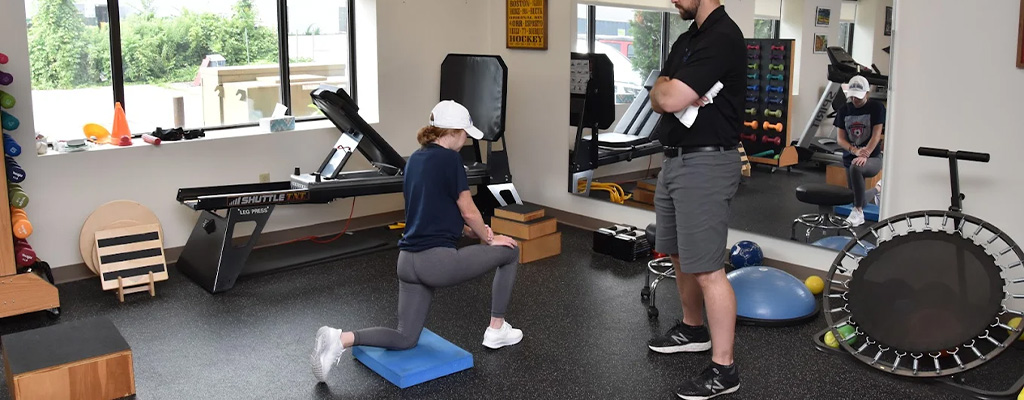
For long-term relief, the tendon needs the right balance of loading, recovery, and movement correction to rebuild strength. At Complete Game Physical Therapy, we’ll work with you to:
- Improve jumping and landing control
- Restore strength in the knee and surrounding muscles
- Address imbalances or training loads that unevenly stress the tendon
That way, you can resolve the injury before it starts to affect the summer sports season.
We’re Here to Help
If jumper’s knee is keeping you from playing at your best, contact Complete Game Physical Therapy today. Our team will help you get back to stronger, more confident movement.
Patient Success Story
“My son had an ankle injury. He worked primarily with Mike but also had sessions with Jess and Colleen. All three were incredibly knowledgeable and professional. The sessions were productive and fun for my 10 year old- he loved going! Also, they gave him a manageable load of “homework” exercises that he understood and could do on his own (parents, you know). The administrative staff was incredibly helpful with scheduling, and the environment was clean, welcoming, and family friendly. Most importantly, my son’s ankle improved drastically. I would highly recommend Complete Game Physical Therapy to anyone!” – J.W.

Staff Spotlight:
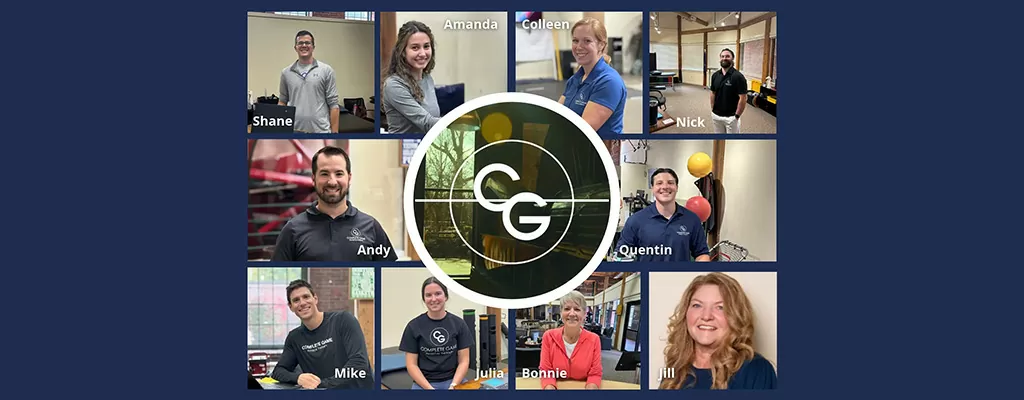
Jill Cairns | Operations Manager
Jill has worked Operations for customer focused companies over the past 25 years prior to joining Complete Game Physical Therapy. She’s managed events and charity committees, and truly enjoys making a difference in people’s lives. She’s excited to be a part of the Administrative team at Complete Game PT. “Whether you’re an associate or a patient, you feel like family. It’s a place where everyone feels welcome and I’m happy to help foster a fun and professional environment. It’s great knowing we’re helping patients feel better and get back to what they love doing.”
Jill is married with four children and she enjoys spending her time volunteering, camping, playing yard games, cheering on her kids playing sports, anything outdoors with her husband and kids, and spending time with family & friends. She’s always up for a good game of corn hole, don’t let her nice disposition fool you, you’re going down!
Recipe of the Month:
Caprese Sandwich
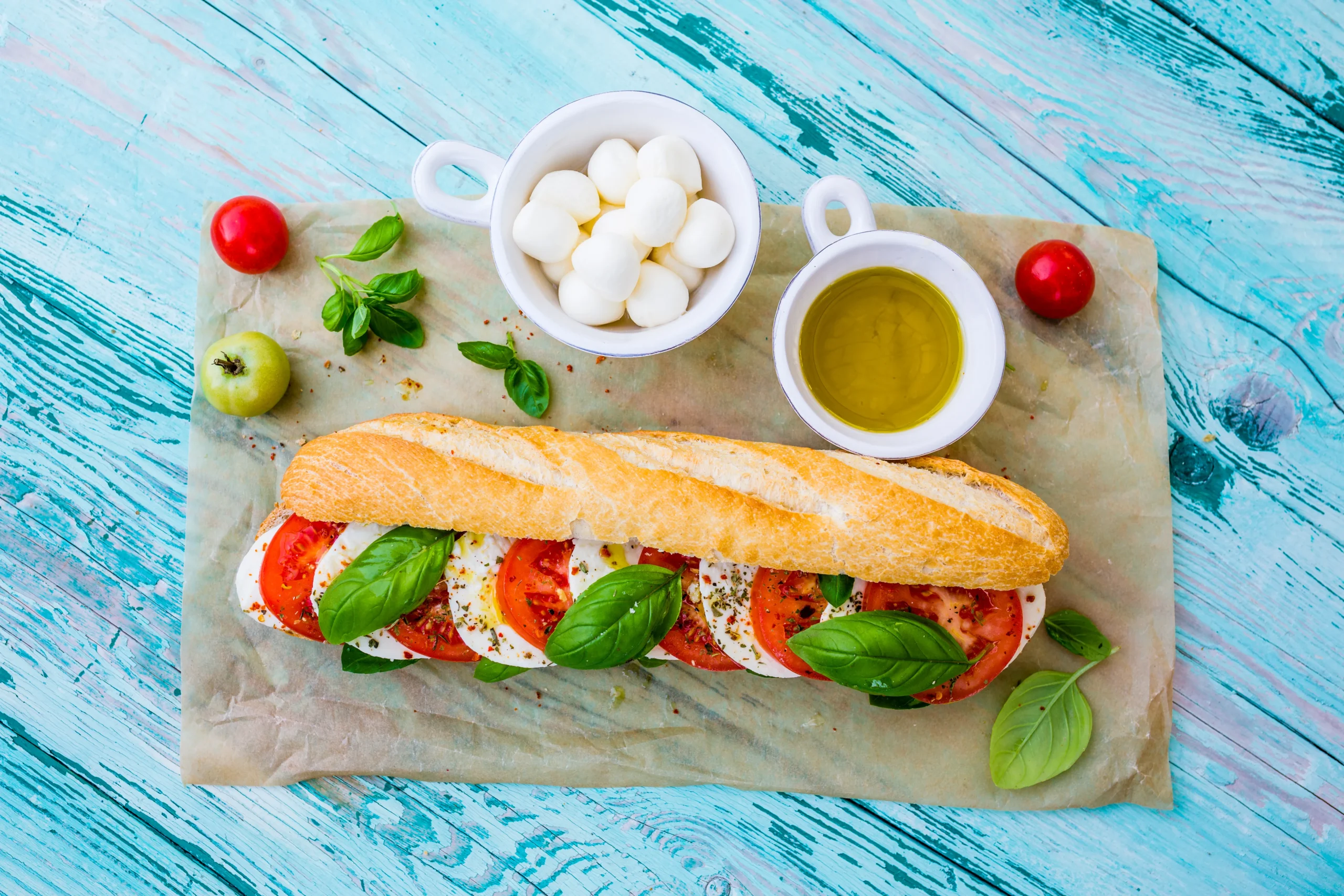
Ingredients:
- 20-24 inch baguette
- 3-4 tablespoons pesto- store-bought, arugula pesto or Basil Pesto
- 1/4 cup mayo
- 3-4 ripe tomatoes, medium
- 1-2 large mozzarella balls, sliced
- 10 basil leaves
- salt and pepper
- drizzle of olive oil
- drizzle of balsamic vinegar, or balsamic glaze
Arugula Pesto
- 2 large garlic cloves
- 1/4 cup smoked almonds (or toasted almonds, or pinenuts)
- 1 cup packed Basil leaves (or flat-leaf parsley)
- 2 cups packed Arugula
- 1/2 cup olive oil
- 1/8 cup fresh lemon juice
- 1/4-1/2 tsp kosher salt (if your almonds are heavily salted, use salt to taste.)
- cracked pepper
Instructions:
- Make arugula pesto if using: Place everything in a food processor and pulse repeatedly, until uniformly combined, but not too smooth.
- Slice baguette in half lengthwise, leaving one side intact. Toast it a little if you like.
- Mix the 1/4 cup mayo and 3-4 tablespoons pesto together. Slather over the insides of the baguette.
- Layer with mozzarella and tomatoes. Season with salt and pepper.
- Add the fresh basil. Drizzle with olive oil and balsamic.
- Close the baguette and cut it into 5- 6 pieces. Tightly wrap any leftovers and keep in the fridge for up to 2-3 days.
Exercise Of The Month
PRONE SHOULDER EXTENSION
Start by lying facedown on a table. Place a rolled towel under your forehead. Hold the dumbbell in one hand. Position yourself so that the arm holding the dumbbell is hanging off the table. Move your shoulder that is hanging off the table upwards slightly so that your shoulders are in line with each other. Keeping your arm straight during the movement, raise the dumbbell straight back so that at the top of the movement, your arm is parallel with your body. Lower the dumbbell back to the starting position with control. 3 Sets, 10 Reps. (Materials needed: towel, dumbbell)