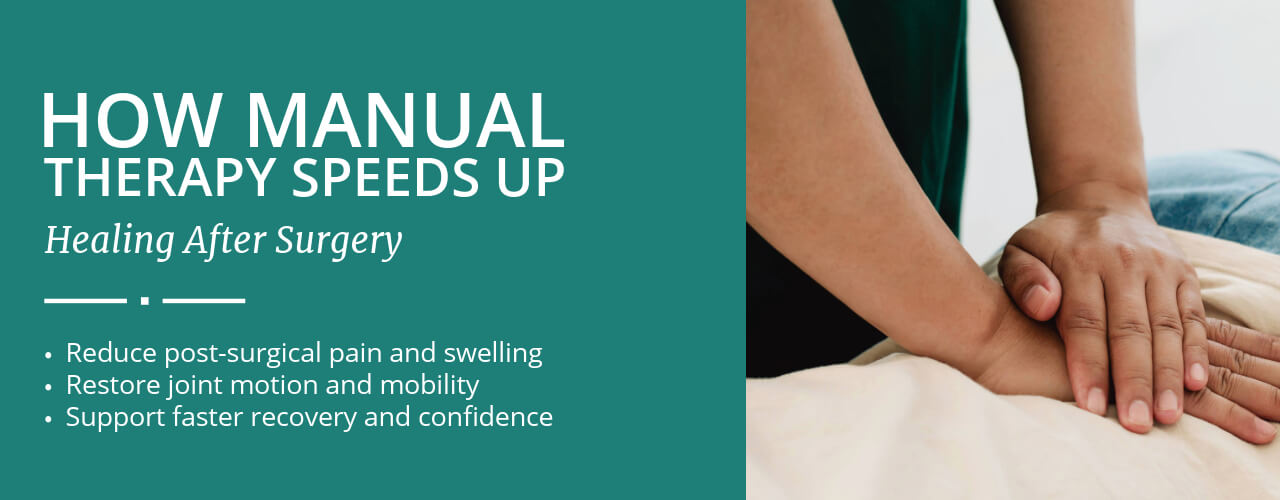



Recovering from surgery takes more than rest. It requires careful, consistent care to restore movement, reduce discomfort, and help your body function well again. One of the most effective strategies in postoperative care is manual therapy after surgery, provided by licensed physical therapists. This hands-on technique helps improve circulation, reduce tissue tightness, and restore joint mobility—essential steps in the healing process.
At Complete Game Physical Therapy, manual therapy is part of a customized recovery plan built around your needs, goals, and surgical history. This how-to guide explains how it works and what steps you can take to support your recovery.
Steps to Effective Recovery
Step 1: Begin with a Personalized Assessment
Every recovery starts with a full-body evaluation. Your physical therapist will assess your surgical site, nearby joints and muscles, posture, and movement habits. This helps identify tightness, weakness, or compensation patterns that could slow your progress. Understanding your current limitations guides your therapist in choosing the right manual therapy techniques to help you heal faster.
Step 2: Improve Tissue Mobility Through Gentle Techniques
Scar tissue, swelling, or restricted fascia can reduce your ability to move comfortably. Manual therapy techniques like soft tissue mobilization, myofascial release, and gentle stretching are used to address these problems. These hands-on methods help break down adhesions, restore elasticity, and reduce discomfort, making it easier to perform daily activities.
This approach is especially helpful for joint replacements, tendon repairs, or abdominal surgeries. Patients who receive manual therapy after surgery often regain comfort and range of motion more quickly than those who rely on exercise alone.
Step 3: Restore Joint Movement with Mobilizations
Joints often stiffen after surgery due to immobilization or inflammation. Your therapist may apply gentle mobilization techniques to increase the joint’s range without forcing movement. This improves how the joint glides and helps you move with less restriction. These techniques are carefully timed and progressed based on your stage of healing and the surgeon’s guidelines.
Step 4: Support Healing with Guided Exercises
Manual therapy opens the door to movement, but exercise keeps that door open. After each manual therapy session, your physical therapist will guide you through safe, controlled exercises that reinforce gains in mobility and strength. These exercises often focus on stabilizing nearby joints, improving posture, and building muscular endurance.
The combination of manual work and movement improves long-term outcomes and prevents new injuries from forming. It also helps reduce dependence on pain medications.
Step 5: Use Home Strategies to Maximize Results
Your role in recovery is just as important as your physical therapist’s. Supporting your progress at home helps you maintain gains between sessions. These strategies can help:
- Apply cold or heat as instructed to manage swelling or discomfort.
- Perform home exercises as prescribed, focusing on form and control.
- Stay hydrated and fuel your body with nutrient-rich foods.
- Prioritize sleep to give your body time to repair and rebuild.
- Avoid overexertion, which could slow healing or irritate healing tissues.
Patients who follow these steps typically notice faster progress with manual therapy after surgery and fewer setbacks during their recovery.
Step 6: Rebuild Confidence and Return to Activity
Many people feel nervous about moving after surgery, especially if they experience pain or immobility beforehand. Manual therapy helps you regain trust in your body by easing movement restrictions and showing you what safe, healthy motion feels like. Your physical therapist at Complete Game Physical Therapy will coach you through gradual transitions back to walking, lifting, climbing stairs, or returning to sport-specific tasks.
The Lasting Value of Manual Therapy After Surgery
The benefits of manual therapy after surgery go beyond symptom relief. This approach helps prevent scar tissue buildup, supports proper joint mechanics, and accelerates your return to normal activity. When integrated into a well-rounded rehabilitation plan, it sets the stage for long-term health and function.
At Complete Game Physical Therapy, manual therapy is never a one-size-fits-all service. Every treatment is designed based on your surgery, your goals, and how your body responds to care.
Ready to Recover with Confidence?
If you’re recovering from surgery, don’t face it alone. The licensed therapists at Complete Game Physical Therapy are here to help you move better, heal faster, and regain control over your daily life. We use manual therapy after surgery as part of a comprehensive care plan tailored to your exact needs.
Contact Complete Game Physical Therapy today to schedule your first visit and learn how our team can support your recovery journey with personalized, evidence-based care.