
Sports Physical Therapy
Take Care of the Little Things Between Seasons
The final whistle has blown, the equipment is packed away, and the next season is already on the calendar. Before jumping into another round of practices and games, take a moment to check in: Are there any aches or pains that never quite went away?
Maybe it’s a shoulder that bothers you after throwing, a knee that aches after running, or an ankle that hasn’t felt quite right since that midseason sprain. When you’re busy competing, it’s easy to put these things on the back burner. The break between seasons is an opportunity to give them some attention.

Small issues deserve attention, too.
You don’t have to wait for an injury to keep you out of a game before seeing a physical therapist. Lingering stiffness, strength imbalances, limited mobility, or changes in how you move may be worth addressing before the demands of the next season increase.
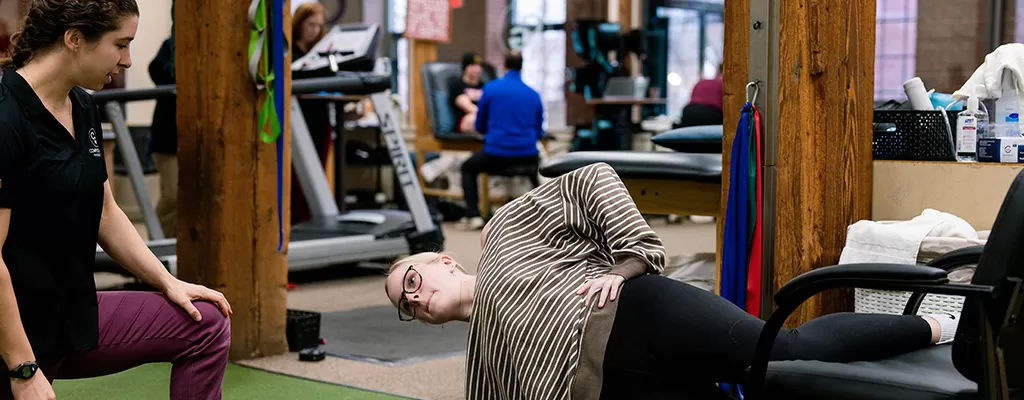
Rest can help you feel better, but it doesn’t always address what contributed to the discomfort. An assessment can help identify what needs work and give you a clear plan for building strength, improving movement, and preparing for your sport.

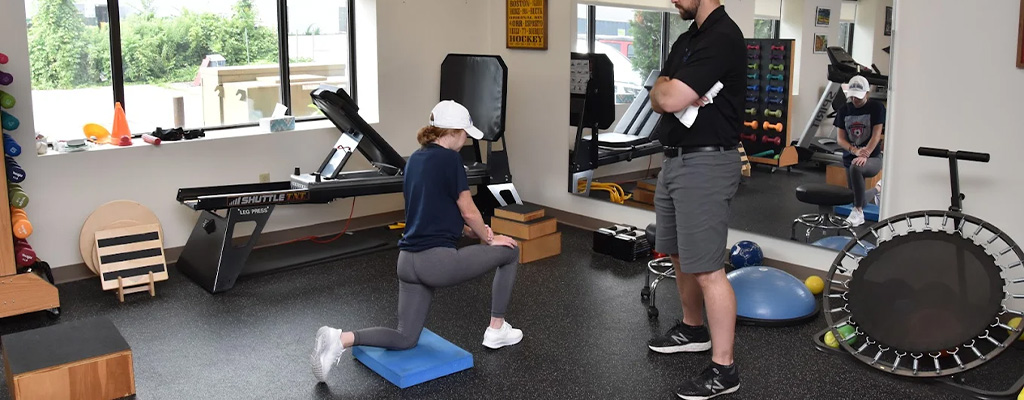
At Complete Game Physical Therapy, our therapists are specially trained in working with athletes. We understand the demands of running, jumping, cutting, throwing, and competing—and we tailor your one-on-one care to your sport and goals. Most importantly, we will set you or your youth athlete up on a clear plan to get back to the sports and activities you love!
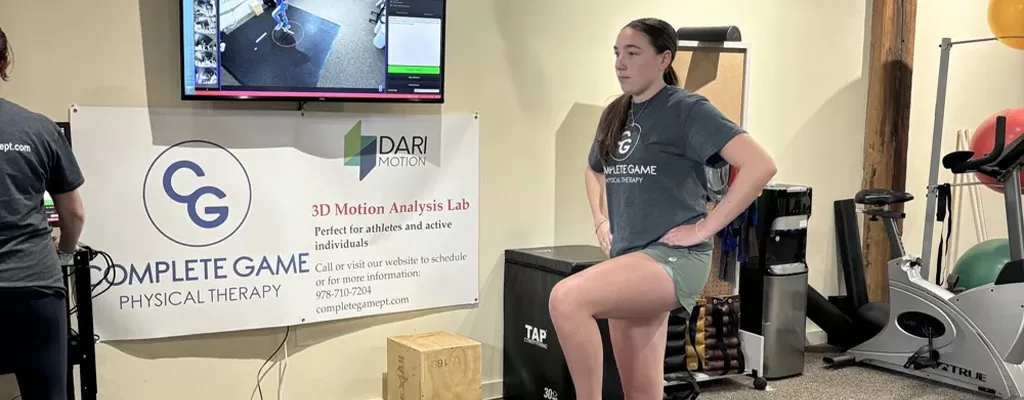
We’re also the only physical therapy practice in the area with DARI markerless 3D motion analysis. This technology gives us a detailed look at how you move, helping us identify movement limitations and differences between sides. Combined with your therapist’s examination and strength testing, it helps guide an individualized plan and track your progress.

Whether you’re a student-athlete transitioning between seasons or an adult getting ready for your next league, race, or weekend adventure, now is a good time to take care of those nagging concerns.
Give yourself time to address the little things before they become bigger obstacles. Contact Complete Game Physical Therapy to schedule an appointment and start preparing for the sports and activities you love.
Patient Success
“I worked with Amanda for over 10 months on an ACL + meniscus surgery recovery, and I couldn’t have possibly asked for a better experience. She’s incredibly supportive, knowledgeable, caring, and easy to work with. I couldn’t recommend her enough. My experience with Complete Game was absolutely excellent.”
– Chris
Injury Prevention
Don’t Get Weighed Down by Lifting-Related Shoulder Pain
Weight training is one of the more popular off-season training activities. But if shoulder pain starts interrupting your bench presses or overhead lifts, you might find yourself pulling back.
However, that might not be necessary. There are several reasons you might notice shoulder pain during lifting exercises, and understanding the source of that discomfort is the first step toward training more comfortably and confidently.
Four Reasons Your Shoulder Might Hurt During Weight Training
1. Doing too much too soon ▼
Increasing weights, sets, or training frequency too quickly can irritate shoulder tissues.
2. Rotator cuff irritation ▼
The rotator cuff is a group of muscles and tendons that helps control your shoulder. Repeated lifting can place more stress on these tissues than they can tolerate.
3. Limited mobility ▼
Stiffness in the shoulder or upper back may make certain lifting positions uncomfortable.
4. Poor muscle coordination ▼
Difficulty controlling your shoulder blade and arm during lifts can contribute to discomfort.
How to Keep Training Without Making Things Worse
Fortunately, shoulder pain doesn’t always mean you need to stop exercising completely. A few adjustments can help you stay active:
- Modify your workouts by reducing weight, adjusting your range of motion, or temporarily replacing painful lifts with something more comfortable.
- Try targeted rotator cuff and shoulder blade exercises to improve strength and control.
- Explore other exercise options. Cycling, walking, or lower-body exercises may help maintain fitness while reducing shoulder strain.
- Gradually increase training demands as your shoulder becomes more comfortable and capable.
- Reach out to Complete Game Physical Therapy for a detailed assessment of your shoulder and a personalized rehabilitation program.
Get Back to Lifting With Confidence
Don’t let shoulder pain derail your off-season goals! Contact us today to learn how physical therapy can help you move comfortably and return to the workouts you enjoy.
Happy Thanksgiving
Hosting Thanksgiving Dinner? Manage Stress with These Tips

We love Thanksgiving at Complete Game Physical Therapy. It’s a time to gather with friends and family, enjoy a great meal, and give thanks for all of the year’s blessings. But we also know the big day can be stressful—especially if you’re hosting.
Here are a few simple tips to stay happy and healthy this Thanksgiving:
- Try some deep breathing exercises. In the thick of cooking five different side dishes and feeling overwhelmed? Try box breathing, a simple technique in which you slowly breathe in and out for 3-4 counts.
- Fix a balanced plate. Rather than stressing about overindulging, just make sure to add some green veggies to your plate alongside the cornbread stuffing and fried turkey.
- Don’t forget your post-meal walk. If you prepped dinner, let someone else take care of the dishes while you take a relaxing stroll around the neighborhood. Relax—you earned it!
Staff Spotlight
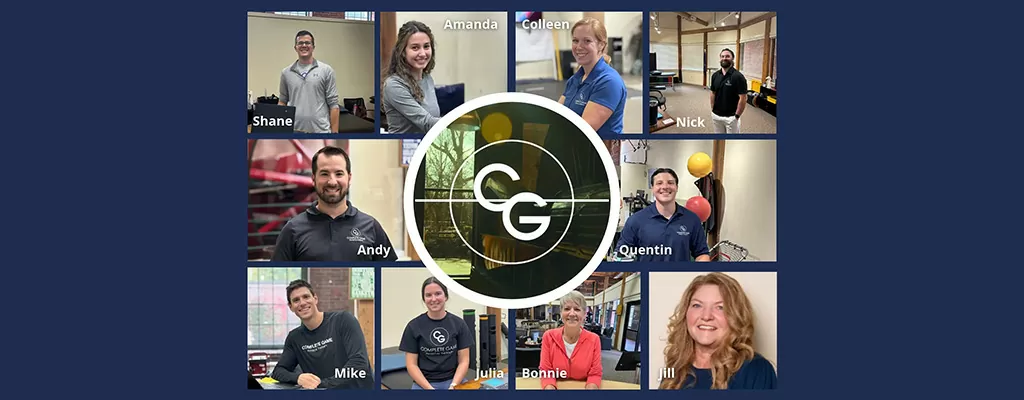
Quentin Proulx, PT, DPT
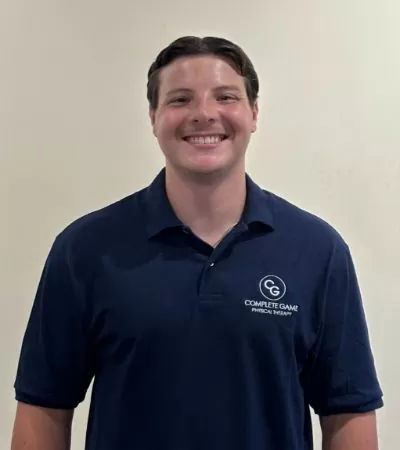
Quentin joined Complete Game Physical Therapy in September 2026 after earning his Doctor of Physical Therapy from the University of Massachusetts Lowell. He also earned his bachelor’s degree from UMass Lowell in 2023, where he developed a strong passion for exercise, sports, and rehabilitation. Quentin has experience working with a variety of orthopedic conditions and patient populations, with a particular interest in athletic populations and sports rehabilitation.
As a former UMass Lowell club baseball player, Quentin has a personal passion for baseball and hopes to continue developing his expertise in working with baseball players and other athletes. He also has a strong passion for teaching and research and believes that an educational, evidence-based approach is an important part of successful physical therapy. He strives to help his patients understand their condition, take an active role in their recovery, and ultimately develop the knowledge and confidence to take control of their health and performance.
Beyond rehabilitation, Quentin enjoys discussing New England sports, staying active in the gym, competing in trivia, and finding new movies to watch.
Exercise of the Month
Plank
Start by lying face down on the floor. Place your forearms under your shoulders and push up onto your toes and forearms, keeping your body in a straight line from head to heels. Engage your core and hold the position without letting your hips sag or rise. (Materials needed: floor mat)
As always, check with your physical therapist before starting a new exercise to make sure it’s appropriate for your individual needs.

Recipe of the Month
Classic Pumpkin Pie
No Thanksgiving table is complete without a slice of pumpkin pie. Made with real pumpkin puree, eggs, and warm spices, this classic dessert is simple to prepare and easy to enjoy in moderation as part of a balanced holiday meal.
Ingredients
- 1 unbaked 9-inch pie crust
- 1 can (15 oz) pumpkin puree
- 1 can (12 oz) evaporated milk
- 2 large eggs
- 3/4 cup brown sugar
- 1 1/2 tsp cinnamon
- 1/2 tsp ground ginger
- 1/4 tsp ground nutmeg
- 1/4 tsp ground cloves
- 1/2 tsp salt
- 1 tsp vanilla extract
- Optional: whipped cream, for serving
Instructions
- Preheat oven to 425°F. Fit the pie crust into a 9-inch pie plate and crimp the edges.
- In a large bowl, whisk together the pumpkin puree, brown sugar, cinnamon, ginger, nutmeg, cloves, and salt.
- Add the eggs and vanilla and whisk until smooth, then slowly whisk in the evaporated milk.
- Pour the filling into the crust. Bake for 15 minutes, then reduce the oven temperature to 350°F and bake for another 40–45 minutes, until the center is just set and a knife inserted near the center comes out clean.
- Cool on a wire rack for at least 2 hours before slicing. Serve with a dollop of whipped cream, if desired.
Why it works: Pumpkin puree provides fiber and vitamin A, while eggs and milk add a little protein, making this a satisfying way to enjoy a holiday favorite alongside a balanced plate.