
National Physical Therapy Month
Happy National Physical Therapy Month!

Every October, we celebrate National Physical Therapy Month to recognize how physical therapy helps people move, recover, and stay active. At Complete Game Physical Therapy, that means looking beyond basic rehabilitation.
Whether you’re recovering from an injury, preparing to return to competition, or trying to improve your body’s ability to handle the demands of your sport, our team will develop a plan tailored to your goals.
Four Cutting-Edge Approaches to Getting You Back in the Game
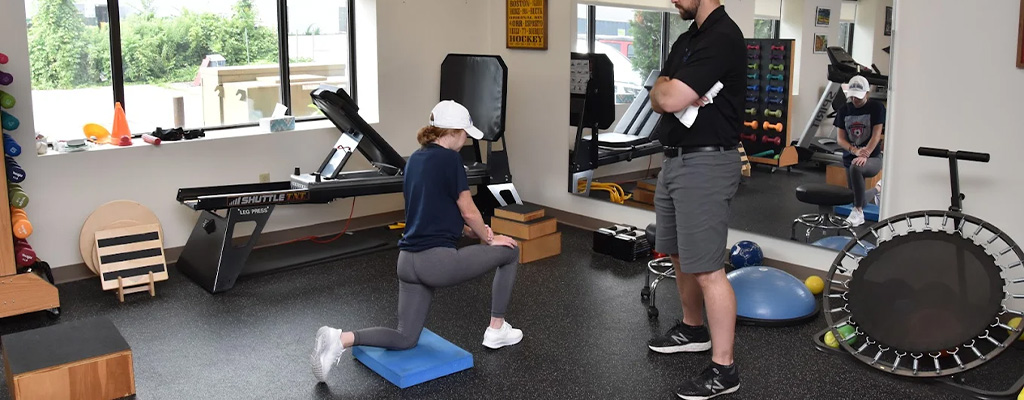
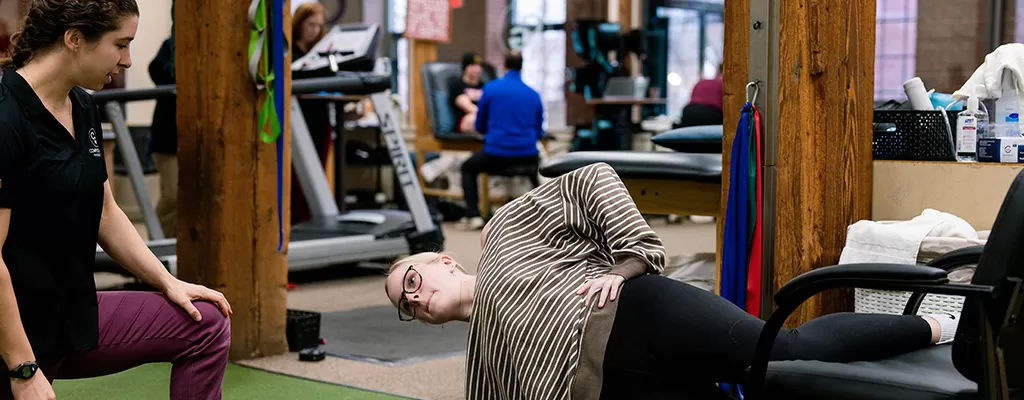
At its core, physical therapy uses exercises, movement training, and personalized strategies to help you improve your strength, mobility, balance, and function. At Complete Game, however, we also offer several specialized services that take rehabilitation and performance to the next level.
Dry Needling ▼
This technique involves inserting thin needles into key points in the body to help manage musculoskeletal pain and improve movement. We typically incorporate it into the plan alongside active rehabilitation techniques.
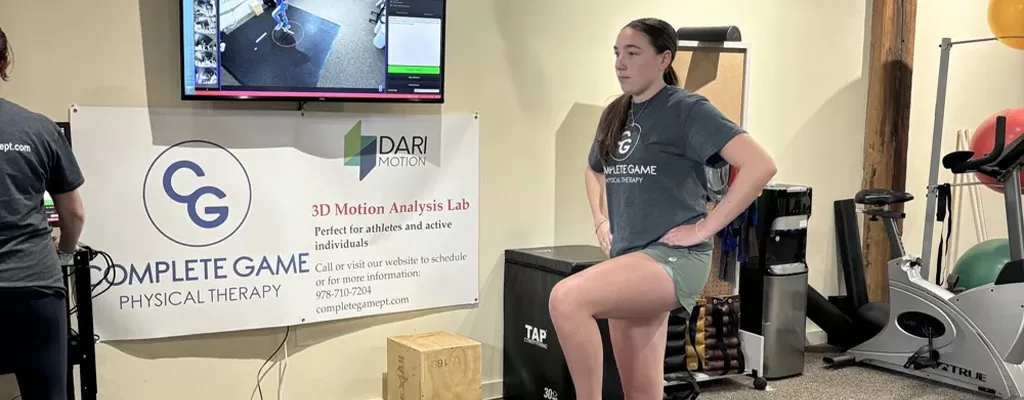
3D Motion Analysis ▼
Advanced technology can assess movement patterns during activities such as running, jumping, and throwing, helping identify areas to address during rehabilitation or training.
Return-to-Sport Testing ▼
Strength, balance, movement, and functional testing can provide objective information about your readiness and help guide decisions about progressing you back to competition.
Sports Performance Training ▼
Progressive strength, power, agility, and movement training can prepare your body for the specific demands of your sport.
Discover What Physical Therapy Can Do for You
Physical therapy can do much more than help you recover after an injury. Our team is here to help you understand your body, build physical capacity, and prepare for the activities that matter to you.
Celebrate National Physical Therapy Month by investing in your movement. Contact Complete Game Physical Therapy today to schedule an evaluation and discover how our team can help you keep doing what you love.
Patient Success
“Shane is an excellent physical therapist! He cares about his patients and listens to what is going on with their recovery! The exercises he gave me to do at home are on point and helpful! Other staff I have had contact with were always caring and kind! Complete Game Physical Therapy was highly recommended to me and it has exceeded that recommendation for me and my recovery. Thanks, Shane & Complete Game.”
– Jill
Youth Athlete Health
What Parents and Athletes Need to Know About ACL Injuries
A sudden pivot across the soccer field. An awkward landing after a flying tackle. Screeching to a stop on the basketball court. These dramatic sports moments all have one thing in common: they can potentially lead to an ACL injury, even in young athletes.
An ACL (anterior cruciate ligament) injury can be upsetting for both the athlete and their parents, especially if you’re worried they’ll need ACL surgery. However, the Complete Game Physical Therapy team is here to put your mind at ease: with the right plan, athletes can rebuild strength, improve knee function, and work toward a safe return to the activities they love.


A Closer Look at ACL Injuries
The ACL is one of four ligaments in the knee. It connects the thigh bone to the shin bone and helps control forward movement and rotation.
ACL injuries usually occur when significant forces are placed on the knee during sudden changes in direction or abrupt stops, resulting in tearing or damage to the ACL. Sometimes this occurs during contact (like a football tackle), but many ACL injuries are noncontact and can also occur after movements like cutting, pivoting, jumping, or sudden decelerations. As a result, they’re common in sports like soccer, basketball, and football.
Understanding the Grades of ACL Injury
ACL injuries are described by how much the ligament has been damaged:
Grade 1 ▼
The ligament is mildly stretched but remains intact, and the knee generally keeps much of its stability. Symptoms may include mild pain, tenderness, or swelling, but the athlete may still be able to walk and move the knee.
Grade 2 ▼
The ligament is partly torn. Pain and swelling may be more noticeable, and the knee may feel loose or unstable. The athlete may have difficulty running, cutting, pivoting, or quickly changing direction.
Grade 3 ▼
The ligament is completely torn. Athletes may experience significant swelling, loss of motion, and a feeling that the knee is unstable or may give way. Some athletes also report hearing or feeling a pop when the injury happens.
Treating ACL Injuries
Many people assume that an ACL injury automatically requires surgical repair, but this isn’t necessarily the case. Ultimately, treatment depends on the injury grade, episodes of instability, the athlete’s age and skeletal maturity, activity demands, and the sports the athlete hopes to return to. In some cases—such as partial ACL tears or situations where the athlete doesn’t need to return to high-demand sports—physical therapy alone may be the best approach for treatment.
In these cases, ACL injury rehabilitation generally includes:
- Exercises to restore comfortable knee motion
- Progressive strengthening for the thighs, hips, and lower leg
- Balance and coordination training
- Jumping and landing drills when appropriate
- Agility and change-of-direction training
- Gradual sport-specific exercises
- Education about appropriate activity progression
What You Need to Know About ACL Surgery
Surgery is generally considered the best approach for a complete tear, ongoing knee instability, associated meniscus or cartilage injuries, or a planned return to sports that require frequent cutting and pivoting.
However, even in these cases, physical therapy still plays an important role in rehabilitation! While surgery addresses the injured ligament, it doesn’t automatically restore strength, movement, coordination, or sports readiness. Physical therapy addresses these concerns directly.
Before surgery, therapy may help reduce swelling, improve knee motion, and improve muscle function. After surgery, rehabilitation progresses from basic movement and strength toward running, jumping, cutting, and sport-specific skills.
Returning to Sport After an ACL Injury
Whether recovery involves physical therapy alone or surgery followed by rehabilitation, returning to sport is an important consideration. Our team works closely with athletes to assess readiness and guide a gradual return-to-sport process, which gradually reintroduces key sports-related movements once they can demonstrate good knee strength, stability, and movement control.
Rehabilitation can also teach movement skills that may help lower the risk of future knee injuries. Neuromuscular training combines strength, balance, jumping, landing, and change-of-direction exercises to help reduce the overall risk of ACL injury.
Get Back in the Game After an ACL Injury
An ACL injury can interrupt a season, but it doesn’t have to define an athlete’s future. The right plan should match the injury, the athlete, and the sport.
If your child has injured a knee or is preparing to return to sports after an ACL injury, contact Complete Game Physical Therapy today. Our team can evaluate movement, build a progressive rehabilitation plan, and help your athlete work toward a strong, confident return to the game.
Injury Prevention
Got Hip or Groin Pain? It Could Be Hip Impingement

Hip or groin pain can make it much harder to perform the movement necessary in your sport, from running and cutting to performing a full squat. While there are several potential causes, one that often gets overlooked is hip impingement, often called FAI syndrome, a condition that affects certain movements and activities.
Fortunately, if you’re dealing with hip impingement, the Complete Game Physical Therapy team can help.
What Is Hip Impingement?
Hip impingement occurs when certain changes in the shape of the hip joint create excessive contact during certain movements. There are two common types, and some athletes can have features of both:
- Cam impingement, in which the ball of the hip has a bony overgrowth or less rounded shape where it meets the upper thigh bone.
- Pincer impingement, in which the hip socket extends too far over the ball than usual.
These changes can develop during skeletal growth and are especially common in people who participate in high-impact sports during adolescence.
Why Can Hip Impingement Cause Pain?
Having one of the hip shapes described above doesn’t automatically mean you’ll experience pain. Instead, symptoms generally develop when repeated hip movement irritates sensitive tissues around the joint. You might notice:
- Deep pain in the groin or front of the hip
- Discomfort with squatting or prolonged sitting
- Pain during running, cutting, or pivoting
- Clicking, catching, or stiffness
- Reduced hip movement
How Complete Game Can Help
The good news is that physical therapy can play an important role in managing symptoms associated with hip impingement! Our team focuses on improving function while managing activities that aggravate symptoms.
The process generally involves targeted exercises to strengthen the hips and trunk, improve comfortable mobility, and prepare you for athletic movements. We can also assess sport-specific movements and provide training to ensure your hips can meet the demands of your sport.
Help Your Hips Keep Up With Your Game
Don’t let hip or groin pain put you on the sidelines. Contact Complete Game Physical Therapy today to schedule an evaluation and start working toward a stronger, more comfortable return to your sport.
Staff Spotlight
Julia Ravenelle, PT, DPT
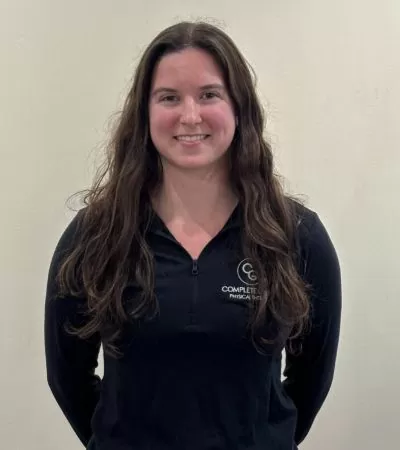
Julia is a physical therapist who joined Complete Game in 2026 after earning her Doctor of Physical Therapy degree from Massachusetts College of Pharmacy and Health Sciences (MCPHS) in Worcester, MA. Her passion for physical therapy was shaped by her experience as a collegiate ice hockey and lacrosse athlete, which sparked her interest in helping others recover from injury and return to the activities they enjoy.
Clinical interests:
- Lower-extremity injuries
- Athletes and active individuals
- Older adults — strength, balance, mobility, and overall function
Julia’s interest in working with older adults grew out of her clinical experience in a skilled nursing facility.
Outside of the clinic, Julia enjoys weight training, running, spending time outdoors, and relaxing at home with her cat, Fig.
Exercise of the Month
Prone Arm Reach Back
Lie face down on an exercise table with your upper chest supported and both arms hanging straight down off the sides, holding a light weight in each hand. With palms facing in, slowly raise your arms backward toward your hips in a sweeping motion, keeping them close to your body. Squeeze your shoulder blades together at the top, then lower your arms back down with control. (Materials needed: exercise table, light weights)
As always, check with your physical therapist before starting a new exercise to make sure it’s appropriate for your individual needs.

Healthy Recipe of the Month
Roasted Butternut Squash & Chicken Harvest Bowl
As the weather cools and training shifts indoors, your body still needs the same building blocks to recover and adapt. This warm, fall-inspired bowl combines lean protein with fiber-rich vegetables and anti-inflammatory spices to support muscle repair, joint health, and steady energy through the busy fall sports season.
Ingredients
- 2 boneless, skinless chicken breasts
- 3 cups butternut squash, peeled and cubed
- 1 cup brussels sprouts, halved
- 2 tbsp olive oil, divided
- 1/2 tsp cinnamon
- 1/2 tsp smoked paprika
- Salt and pepper, to taste
- 2 cups baby spinach or mixed greens
- 1/3 cup dried cranberries
- 1/4 cup pumpkin seeds (pepitas)
- 2 tbsp balsamic vinegar
- 1 tbsp honey
- Optional: crumbled feta or goat cheese
Instructions
- Preheat oven to 400°F. Toss the butternut squash and brussels sprouts with 1 tbsp olive oil, cinnamon, smoked paprika, salt, and pepper. Spread on a baking sheet and roast for 20–25 minutes, until tender and lightly caramelized.
- While the vegetables roast, season the chicken breasts with salt and pepper. Heat the remaining olive oil in a skillet over medium-high heat and cook the chicken for 6–7 minutes per side, until cooked through. Let rest 5 minutes, then slice.
- Whisk together the balsamic vinegar and honey to make a quick dressing.
- Divide the greens between two bowls. Top with the roasted vegetables and sliced chicken.
- Finish with dried cranberries, pumpkin seeds, and optional cheese, then drizzle with the balsamic-honey dressing.
Why it works: Chicken provides lean protein to support muscle repair, butternut squash and brussels sprouts bring fiber and anti-inflammatory antioxidants, and pumpkin seeds add magnesium and zinc to support recovery and joint health during the fall training season.