
Clinic News
More Space to Move at Complete Game PT!
Our Chelmsford clinic just got bigger, giving our athletes and active individuals more room to move, train, and recover.
More Space to Move. More Room to Recover.
We’re excited to share the recent renovation of our Chelmsford clinic!
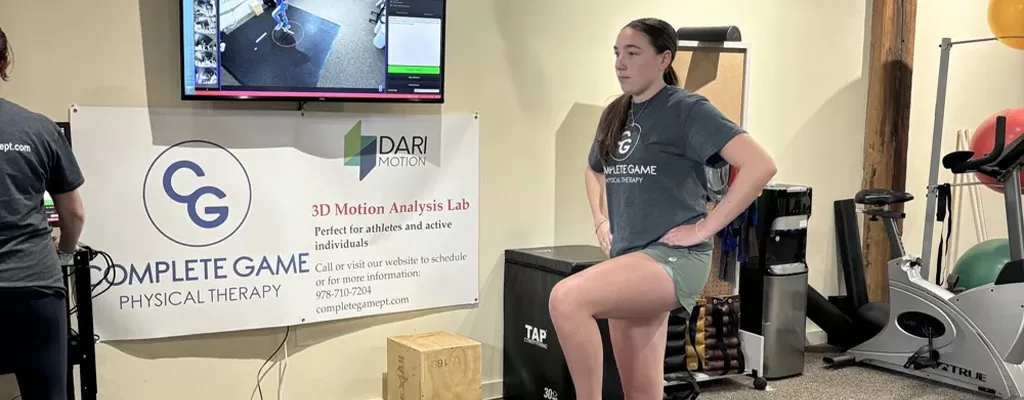
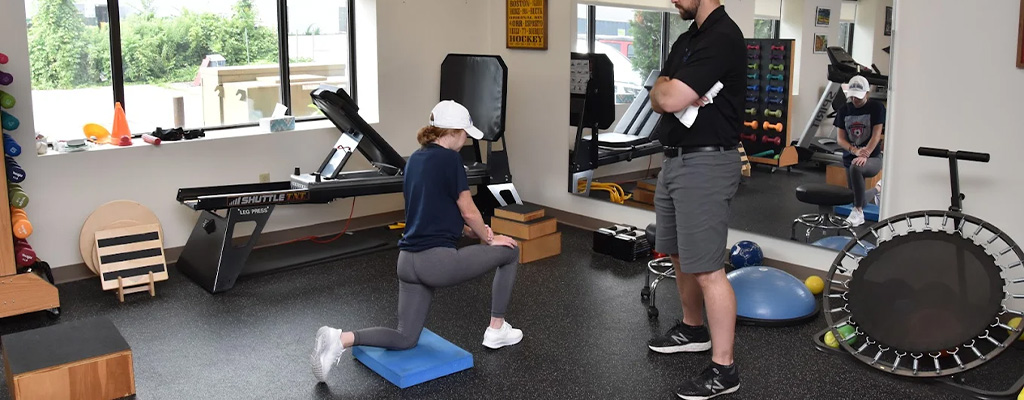
We added 400 square feet of treatment space, creating a larger, more open environment for our athletes and active individuals.
Built for Active Rehabilitation
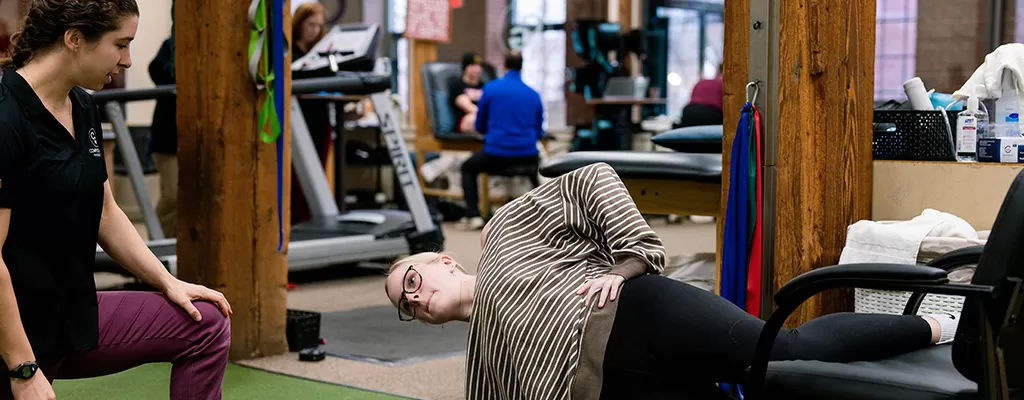
The expanded area gives our physical therapists more room to help patients progress beyond the treatment table and prepare for the real demands of their sports and activities.
The additional space allows us to better incorporate:
- Strength and power development
- Running, jumping, cutting, and agility drills
- Balance and neuromuscular training
- Sport-specific exercise progressions
- Objective testing and return-to-sport preparation
Whether you’re recovering from surgery, returning to competition, or simply trying to get back to the activities you love, rehabilitation should prepare you to move confidently outside the clinic—not just feel better on the treatment table.
This renovation supports our commitment to providing individualized, one-on-one physical therapy in an environment designed for athletes and active people of all ages.
Come See the New Space!
We’re grateful for the continued support of our patients, families, and community. We look forward to helping even more people move better, recover stronger, and return to the sports and activities they love.


Patient Success
“Complete Game Physical Therapy did a great job helping me recover after shoulder surgery. Their staff is very knowledgeable and pleasant to work with. They are located in Chelmsford, MA within a restored textile building known as The Mill. The facility provides a beautiful atmosphere displaying the original brick and wooden structure from the 1800s full of history and original artifacts. Two thumbs up!”
– Kevin
Youth Athlete Health
Strong Athletes Know When to Rest
If you’re the parent of a young athlete, you know how much they want to keep moving. Between practices, games, and cross-training, their schedules can leave little room for recovery. However, rest is an essential part of athletic development. Setting aside planned recovery days gives a young athlete’s body time to respond and adapt to training so they can return ready for the next challenge.

Why Growing Athletes Need Time to Recover
Exercise places controlled stress on muscles, bones, and other tissues. Recovery allows these tissues to repair, adapt, and get stronger. This process happens regardless of your age, but for young athletes, it occurs while their bodies are also growing and developing. Without enough recovery, repeated training can outpace the body’s ability to adapt. Performance may suffer, and overuse injuries—like shin splints—can become more likely.
Rest Can Support Better Performance
Rest days aren’t a sign of “laziness.” In fact, they help athletes return to activity prepared to perform. Adequate recovery can support:
Muscle Repair and Adaptation ▼
Training challenges the muscles. Recovery gives them time to respond.
Bone Health ▼
Bones need time to adapt to repeated running, jumping, and cutting.
Energy Restoration ▼
Recovery helps replenish the energy needed for practices and competition.
Coordination and Performance ▼
Fatigue can affect movement quality, reaction time, decision-making, and athletic performance.
Less Risk of Overuse Injuries ▼
Planned recovery reduces repeated stress on the same tissues.
Keep Young Athletes in the Game
At Complete Game Physical Therapy, we recommend that young athletes aim to include at least one to two rest days each week away from organized sports and intense training, with additional recovery after especially demanding practices, games, or tournaments. But if you’d like more personalized guidance, schedule an appointment today!
Seasonal Promo
Savor a Pain-Free Football Season

As Friday night lights illuminate the field and the spirit of football echoes throughout the community, ensure that back pain doesn’t get in the way while rooting for your team in the stands. Experience the thrill of the season without the discomfort of back pain. Complete Game Physical Therapy’s treatments are designed for your unique needs, ensuring you’re game-day-ready every time.
Your Game Plan to Tackle Back Pain
- Effective treatments to alleviate pain and guard against future flare-ups.
- Customized strategies to boost your mobility and strength so you can cheer on your favorite teams without hesitation.
- Tips to enjoy those tailgate barbecues and halftime huddles without a second thought to your back.
Get ready to chant, cheer, and celebrate without restraint. Connect with Complete Game Physical Therapy today, and let’s ensure you’re in prime shape for every touchdown this season!
Staff Spotlight
Dr. Colleen Davis, DPT
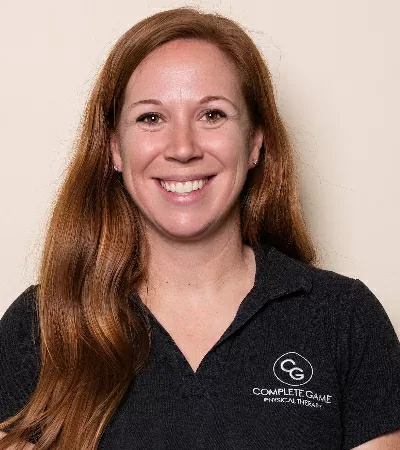
Colleen Davis, DPT joined the Complete Game family in July 2024 and is entering her 10th year of clinical practice. She brings extensive expertise from outpatient orthopedics, acute rehab, and home health settings.
Colleen completed her undergraduate education at the University of Vermont and received her Doctorate of Physical Therapy in 2014 from UMass Lowell. She maintains her Certified Strength and Conditioning Specialist (NSCA), Certified Personal Trainer (NASM), and Pregnancy and Postpartum Certified Exercise Specialist (PCES) certifications, along with continuing education related to sports-specific injuries, nutrition, and recovery.
Clinical interests:
- Sports-related injuries
- Chronic and post-surgical care
- Prenatal/postpartum care & pelvic floor dysfunction
- Gait training and balance training
Outside the clinic, Colleen enjoys spending time with her family, friends, and dogs, along with skiing, running, and being outdoors.
Exercise of the Month
Resistance Presses
Sit or stand tall with your head in a neutral position. Place one hand on your forehead. Gently press your head forward into your hand while resisting the motion with your hand. Hold briefly, then relax. Repeat with your hand placed on the back, and each side of your head to target all directions.
As always, check with your physical therapist before starting a new exercise to make sure it’s appropriate for your individual needs.
Youth Overhead Athlete Health
The Offseason Is for Building—Not More Throwing
For youth baseball and other overhead athletes, year-round throwing does not allow the arm enough time to recover from the cumulative stress of the season. The American Sports Medicine Institute recommends at least 2–3 continuous months without overhead throwing each year, with four months preferred.


What the Research Shows
Limited shoulder flexion has also been identified as an important injury-risk marker in pitchers.
A shutdown period should not mean becoming inactive. It is an opportunity to restore what throwing takes away and build the physical qualities your athlete needs for the next season:
- Restore shoulder flexion, internal rotation, and total range of motion
- Build rotator-cuff and scapular strength
- Improve trunk, hip, and lower-body strength
- Develop balance, coordination, and general movement capacity
- Participate in other sports and athletic activities
Make the Most of the Shutdown
The goal is to give the throwing arm a true break while building a stronger, more resilient athlete. Before throwing resumes, an individualized plan can address mobility restrictions, strength deficits, and movement limitations—then guide a gradual return to throwing.
Call Complete Game Physical Therapy to schedule an appointment with one of our overhead-athlete specialists. We will assess your athlete’s mobility, strength, and movement capacity and create a focused, targeted plan for the shutdown period.

Healthy Recipe of the Month
Grilled Salmon & Quinoa Power Bowl
Whether you’re rebuilding tissue capacity after an injury, fueling a young athlete’s growth spurt, or just recovering from a hard training week, your body needs the right building blocks. This bowl pairs lean protein and anti-inflammatory fats with complex carbohydrates to support muscle repair, joint health, and steady energy—making it a great addition to any recovery routine.
Ingredients
- 2 salmon fillets (about 5–6 oz each)
- 1 cup quinoa, rinsed
- 2 cups low-sodium vegetable or chicken broth
- 1 cup cherry tomatoes, halved
- 1 cup cucumber, diced
- 1/2 cup shredded carrots
- 1/4 cup red onion, thinly sliced
- 2 cups baby spinach or mixed greens
- 2 tbsp olive oil, divided
- 1 lemon (juiced, plus wedges for serving)
- 1 clove garlic, minced
- Salt and pepper, to taste
- Optional: sliced avocado, feta, or pumpkin seeds
Instructions
- Combine the quinoa and broth in a saucepan. Bring to a boil, then reduce heat, cover, and simmer for about 15 minutes, until liquid is absorbed. Fluff with a fork and set aside.
- While the quinoa cooks, whisk together 1 tbsp olive oil, lemon juice, garlic, salt, and pepper to make a quick dressing.
- Pat the salmon dry and season with salt and pepper. Heat the remaining olive oil in a grill pan or skillet over medium-high heat. Cook the salmon 4–5 minutes per side, until it flakes easily with a fork.
- Divide the greens and cooked quinoa between two bowls. Top with tomatoes, cucumber, carrots, and red onion.
- Place a salmon fillet on top of each bowl, drizzle with the lemon-garlic dressing, and finish with your optional toppings.
- Serve with a lemon wedge on the side.
Why it works: Salmon delivers protein and omega-3s to support muscle and tissue repair, quinoa offers a complete plant protein plus slow-digesting carbs for lasting energy, and the colorful vegetables add the vitamins and antioxidants your body relies on during recovery.