
What Young Athletes Need to Know About Golfer’s Elbow
Fall’s just around the corner, and that means the high school golfing season is, too, which means young golfers will be spending extra hours on the course and driving range as they prepare for competition.
While regular practice is essential for sharpening your game, it also increases your risk of repetitive use injuries. One of the most prevalent repetitive use injuries among golfers is, appropriately enough, golfer’s elbow, which causes pain along the inside of the elbow.
Today, the Complete Game Physical Therapy team wants to take a closer look at golfer’s elbow so young athletes can go into the season feeling fully prepared.

Golfer’s Elbow Explained
Golfer’s elbow develops when the tendons attached to the inside of the elbow become irritated or overloaded due to repeated swinging and gripping movements. Although it is very common among golfers, it can also develop in other athletes, including weightlifters or tennis players.
What Causes Golfer’s Elbow?
In most cases, no single issue causes golfer’s elbow. However, for young athletes, repeated practice sessions without enough recovery are a major contributing factor. Other factors include:
- Sudden increases in practice time (like returning to training after summer break)
- Poor swing mechanics
- Gripping the club too tightly
- Weakness in the forearm, shoulder, or upper back
- Limited mobility through the wrist or shoulder
Early Warning Signs to Watch Out For
Because golfer’s elbow is a repetitive use injury, symptoms usually develop gradually. Watch out for:
- Pain along the inside of the elbow
- Tenderness when touching the bony area
- Discomfort while gripping the club
- Pain during the downswing or follow-through
- Stiffness after practice
- Reduced grip strength
Many athletes will be tempted to keep playing through their symptoms, but we don’t recommend it, as it will only lead to continued tendon overload and a longer recovery. Instead, if you notice any discomfort in your elbow during or after practice, schedule an appointment at Complete Game Physical Therapy to see what might be going on.
Treating Golfer’s Elbow
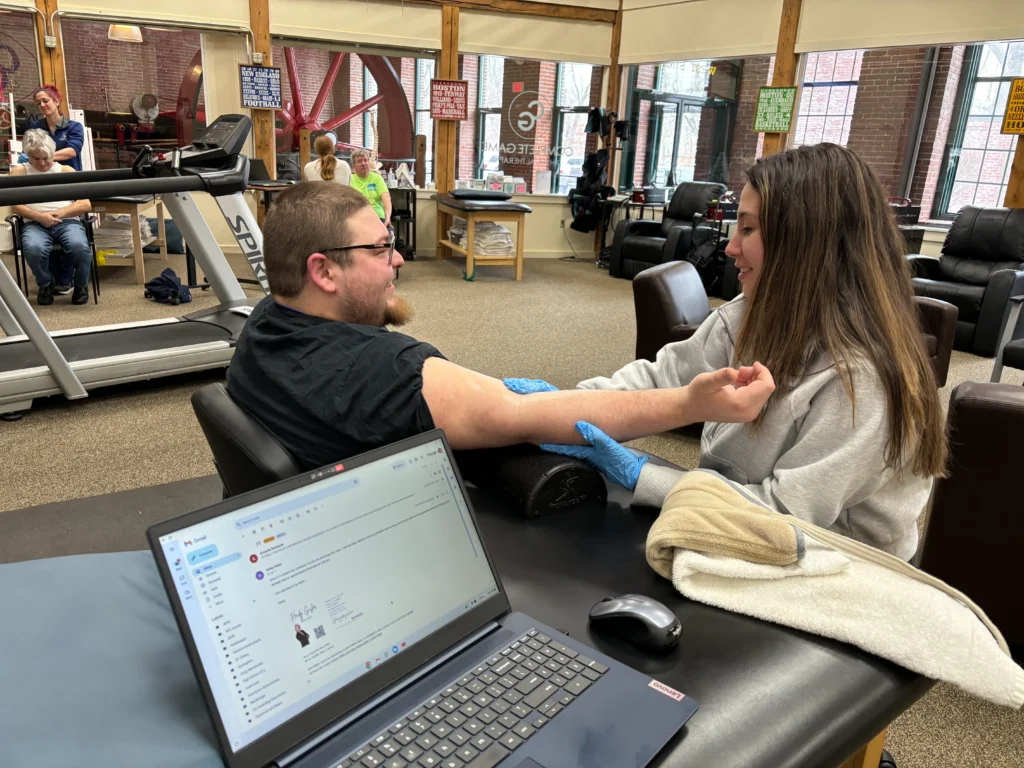
It’s tempting to see golfer’s elbow as a problem with the elbow. In reality, movement throughout the entire body influences how much force reaches the elbow during golf swings, so treatment often involves a whole-body approach. Our team will work with you to create a rehab plan that helps calm irritated tissue while addressing any underlying movement concerns.
Treatment might include:
- Activity modification to reduce stress on the elbow while healing begins.
- Manual therapy to ease soft tissue restrictions in the arm.
- Gentle stretching to restore mobility in the forearm and wrist.
- Progressive strengthening exercises that help the tendon tolerate higher loads over time.
- Grip strengthening once symptoms improve.
- Shoulder, upper back, and core strengthening to improve swing mechanics.
- Movement retraining to reduce unnecessary stress during the golf swing.
When should I see a physical therapist?
We recommend scheduling an appointment if your elbow pain:
- Lasts more than a few days
- Continues during your swing
- Starts affecting your performance
The team at Complete Game Physical Therapy regularly works with athletes hoping to perform at their best, which gives us unique insight into the physical demands of competitive golf. We can assess your symptoms, perform a comprehensive movement evaluation, and build a treatment plan that supports both recovery and long-term performance.
Tips for Preventing Golfer’s Elbow
There is some good news: a smart athlete can often prevent golfer’s elbow with a few good training habits. We recommend:
- Gradually increasing practice sessions. Don’t jump into high-level training after a long time off.
- Complete a 10-15-minute warm-up before practicing your swings.
- Strengthen the forearms, shoulders, and core throughout the season.
- Take regular breaks during long practice sessions.
- Make sure you’re using proper swing mechanics.
- Replace worn grips if you find yourself squeezing harder than normal.
- If you notice even minor pain, get it checked out.
Stay Healthy and Play Your Best This Fall
Golfer’s elbow does not have to sideline your season. If you find yourself with elbow pain this season, contact the team at Complete Game Physical Therapy. We’ll work with you to develop an individualized rehabilitation plan to help you recover and get back to playing your best this fall.
Five Warning Signs Your Golf Swing Is Straining Your Elbow
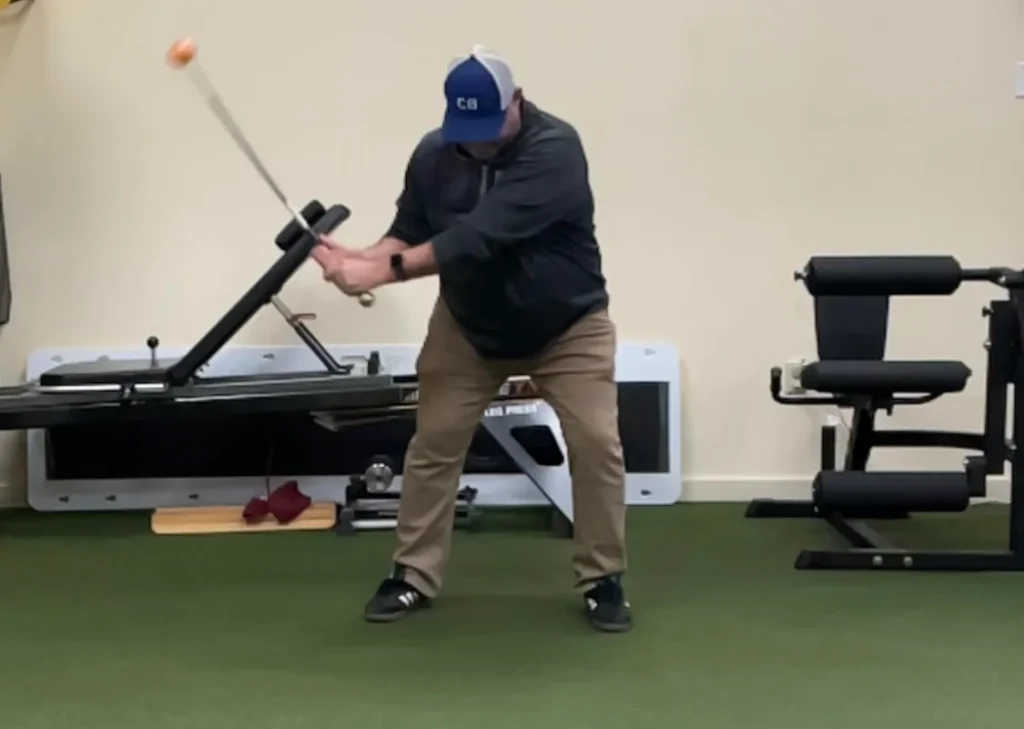
Poor swing mechanics are often at the root of golfer’s elbow or other overuse-related golf injuries. What many people don’t realize is that their bodies will often give them subtle signs that their swing or training load could cause problems down the line. Here’s what to watch out for.
- You Start Altering Your Swing: Maybe you’ve been shortening your follow-through–or avoiding a full swing altogether. These changes often indicate that you’re unconsciously compensating for pain or discomfort around the elbow.
- Your Practice Sessions Get Shorter: Do you find yourself stopping after fewer buckets of balls than usual? It could be your body telling you that your usual practice time is exceeding what your tissues can currently tolerate.
- Your Grip Feels Less Confident: A strong, controlled grip is essential for solid ball contact. If holding the club starts to feel tiring or unstable, it may be a sign that the muscles supporting the inner elbow are fatigued.
- Recovery Takes Longer Than It Used To: A healthy arm should feel ready for practice the next day. If you still feel stiff or sore when you’re starting your practice session–or your discomfort returns every time you play–your elbow may need more than rest alone.
- Your Accuracy Starts to Slip: Reduced accuracy is often another sign that your body is compensating for discomfort, as even small changes in timing or control can lead to inconsistent shots.
Give Your Body the Preparation It Deserves
A quality warm-up is one of the simplest ways to prepare for a successful practice. If you’re not sure which exercises are best for your needs, Complete Game Physical Therapy can help develop a personalized plan. Reach out today to schedule your appointment.
The Importance of Rest and Relaxation for Your Physical Health
Did you know that August 15th is National Relaxation Day? At Complete Game Physical Therapy, we want to highlight the importance of rest and relaxation for your mental, physical, and emotional well-being. Here are some ways to celebrate National Relaxation Day:
- Take a Breath: Deep breathing isn’t just calming; it significantly reduces stress and enhances mental clarity. It’s a powerful tool for mental, physical, and emotional well-being.
- Get Some Sleep: Adequate sleep is more than rest. It’s a critical period for muscle recovery and overall health maintenance.
- Digital Detox: Unplugging from electronic devices is proven to reduce mental fatigue and boost overall mood.
This National Relaxation Day, remember that taking time to relax is not just a luxury but a key element in maintaining a balanced, healthy lifestyle!
Patient Success Story
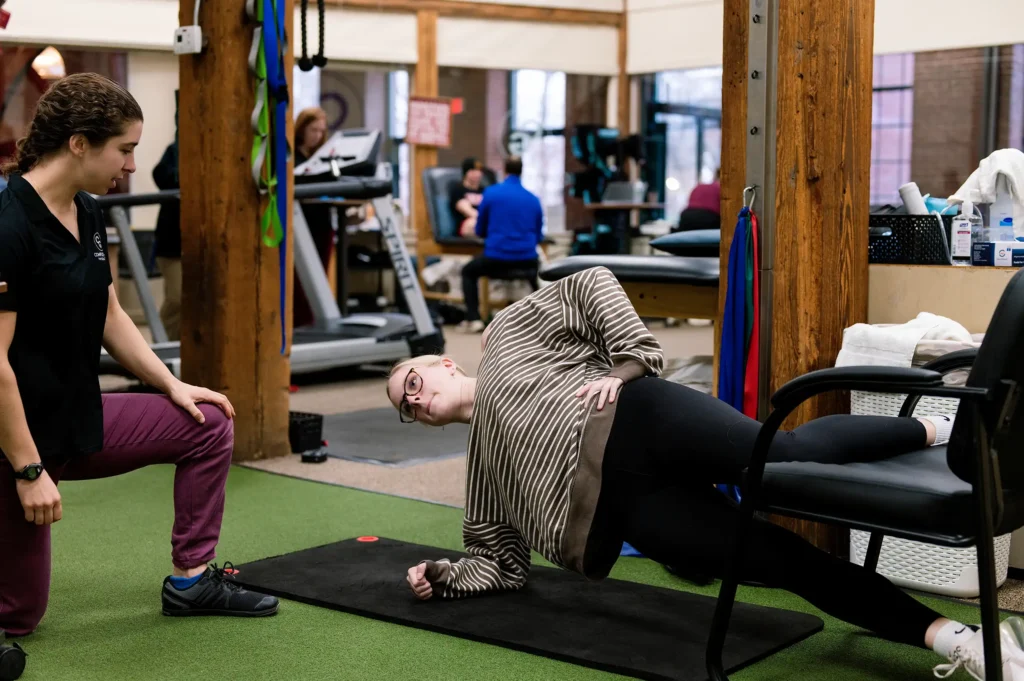
“Complete Game Physical Therapy is incredible. I wish I had gone to them sooner for my recovery. They are exactly what I was looking for after my ACL tear. Amanda has been incredibly knowledgeable, helpful and supportive. The whole team collaborates and works together seamlessly. After every visit there is a noticeable improvement with my injury.” – Cody

Staff Spotlight:
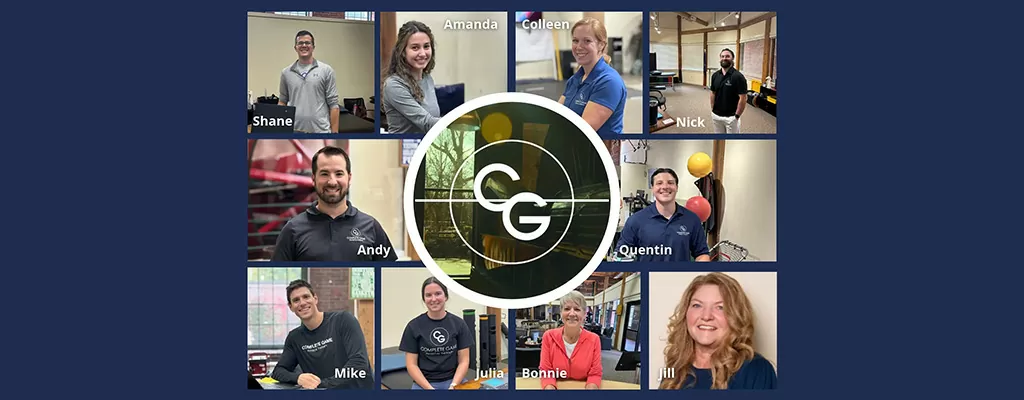
Bonnie Doremus | Office Manager
Bonnie has worked in the Healthcare Industry for over 23 years prior to joining Complete Game Physical Therapy. Prior to coming to Complete Game PT, Bonnie worked at Lahey Clinic in various roles within the Internal Medicine and Specialty Departments. She’s excited to be a part of the team at Complete Game PT working alongside Greg and Andy as the Office Administrator as well as helping create a relaxed and friendly atmosphere for the patients and their families.
Bonnie is married with one son and she enjoys spending her time volunteering, gardening, traveling, hospitality and spending time with family & friends. She is an avid football fan and Patriots season ticket holder – and you can be sure that she’s not the one in the family to give up her seats!
Recipe of the Month:
Healthy Chicken Caesar Wrap

Ingredients:
- 2 large whole wheat tortillas
- 2 cups cooked grilled chicken breast, sliced or shredded
- 3 cups chopped romaine lettuce
- ¼ cup freshly grated Parmesan cheese
- 2 tbsp whole wheat croutons, crushed (optional for crunch)
Healthy Caesar Dressing:
- ¼ cup plain nonfat Greek yogurt
- 1 tbsp light mayonnaise
- 1 tbsp lemon juice
- 1 tsp Dijon mustard
- 1 garlic clove, minced
- 1 tsp Worcestershire sauce
- 1 tbsp grated Parmesan
- Salt and black pepper to taste
Instructions:
- Whisk together all dressing ingredients until smooth. In a large bowl, toss the romaine, chicken, Parmesan, and crushed croutons with the dressing.
- Warm the tortillas for 10–15 seconds in the microwave or a skillet.
- Divide the filling between the tortillas. Fold in the sides, roll tightly, slice in half, and enjoy!
Exercise Of The Month
Thread the Needle
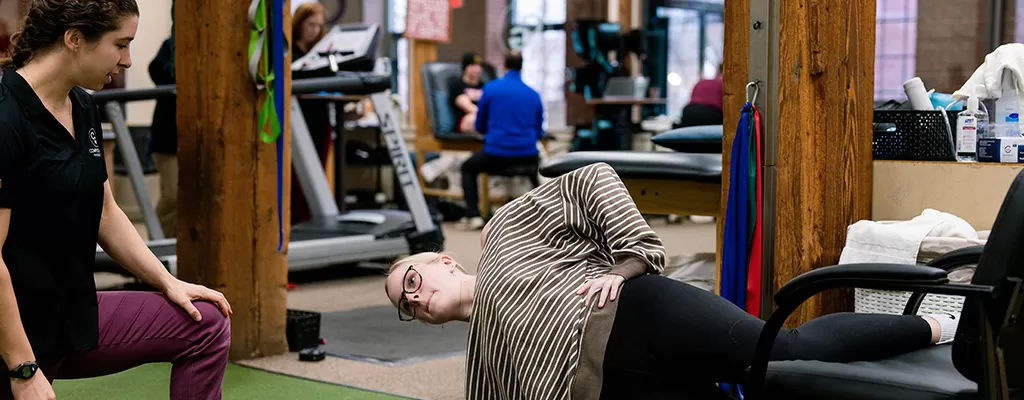
Start on your hands and knees in a tabletop position. Slide one arm underneath your body, palm facing up, allowing your shoulder and the side of your head to gently rest on the floor. Feel the stretch through your upper back and shoulder. Hold briefly, then return to the starting position and switch sides.
3 Sets, 30-Second Hold (each side). (Materials needed: floor mat)